✦ Free AI Image Prompts

Anatomy

Anatomy style prompts β€” ready to use.

26+
Prompts
0
AI Tools
Free
Always

Anatomy Prompts

26 prompts
Brain Activity Myth Versus Anatomical Fact
General

Brain Activity Myth Versus Anatomical Fact

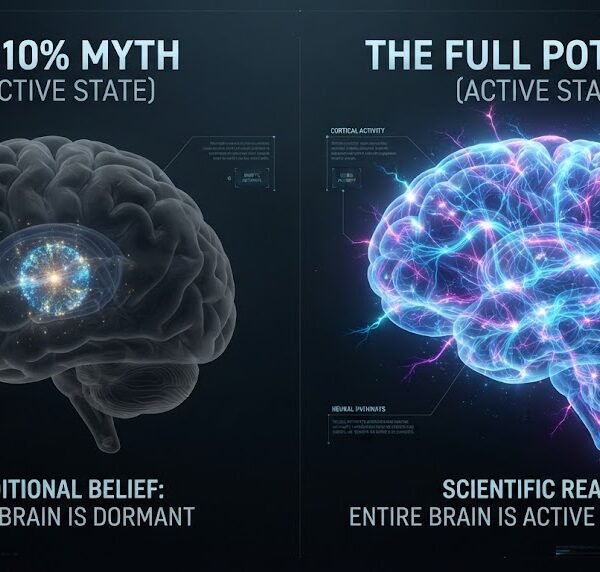
Dual-panel cinematic illustration comparing human brain myths. Left side shows a dim gray brain with a tiny ten percent glowing core. Right side showcases a vibrant fully illuminated neural network with firing synapses, glowing axons, and dynamic electrical pathways. Clean medical infographic style, volumetric glowing light, detailed volumetric cortex rendering, dark background.
πŸ’‘ Expert Insight: The phrase 'volumetric glowing light' is crucial here because it prevents the AI from rendering flat, two-dimensional electrical lines and instead forces depth across the neural branches. Diffusion models like Midjourney typically struggle with dual-panel symmetry, often blending the left and right sides together or bleeding colors across the divider. If the model merges the two visual concepts into a single chaotic brain, insert a hard structural keyword like 'split-screen canvas with a solid vertical black dividing line' to enforce clear compositional separation between the myth and the factual representation.
Gemini
Deoxygenated Blood Color Myth Medical Cross Section
General

Deoxygenated Blood Color Myth Medical Cross Section

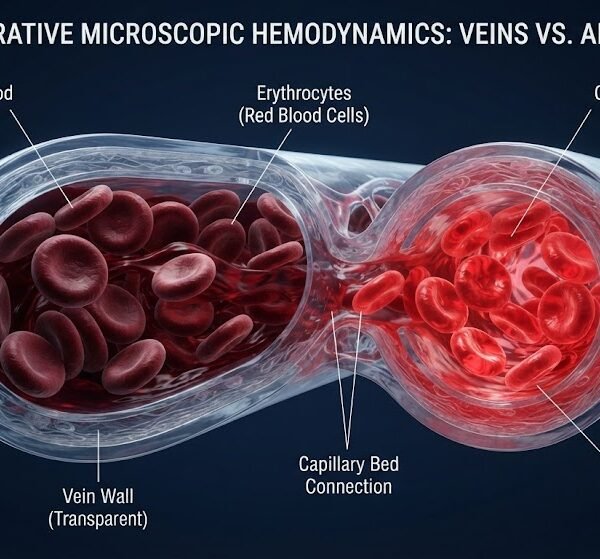
Microscopic cross-section of human veins and red blood cells, contrasting dark crimson deoxygenated blood with vivid scarlet oxygenated blood. Transparent glass vessel walls, realistic fluid dynamics, subtle subsurface scattering on cellular membranes, soft directional studio lighting, dark navy background, hyper-detailed anatomical infographic presentation, hyperrealistic texture.
πŸ’‘ Expert Insight: Utilizing 'subsurface scattering' signals the image generator to simulate light penetrating translucent tissue, which gives the red blood cells organic depth rather than a solid plastic appearance. Generative models tend to over-saturate fluids when prompted with medical contrast, often turning dark crimson into artificial neon tones. To fix unwanted neon hues and achieve a grounded clinical aesthetic, add 'muted earthy undertones' or specify 'desaturated ambient color temperature' in your prompt parameters, which controls the light bounce and restores authentic vascular pigmentation.
Gemini
Macro Anatomy Map of Human Taste Buds
General

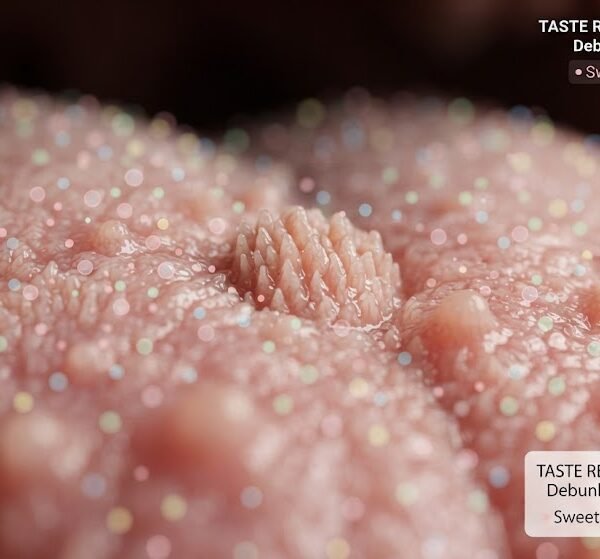
Macro Anatomy Map of Human Taste Buds

Macro photographic render of a human tongue surface, debunking the regional taste map myth. Evenly distributed papillae are highlighted with subtle pastel overlay indicators for sweet, salty, sour, and bitter receptors intermingled everywhere. Shallow depth of field, tactile skin texture, realistic moisture glistening, warm soft ambient lighting, highly detailed medical education visual.
πŸ’‘ Expert Insight: The descriptor 'shallow depth of field' is essential for directing focal weight onto the foreground papillae, preventing background noise from cluttering the anatomical texture. Modern diffusion latent spaces often struggle with complex spatial maps, frequently clumping color indicators into localized zones due to training data bias from outdated textbooks. If the generator stubbornly segregates the colors into distinct tongue regions, replace the abstract color descriptors with physical microscopic callout tags, such as 'labeled micro-pointers pointing to mixed receptor cells across the entire central surface'.
Gemini
Microscopic View of Hair Follicle Tapering Myth
General

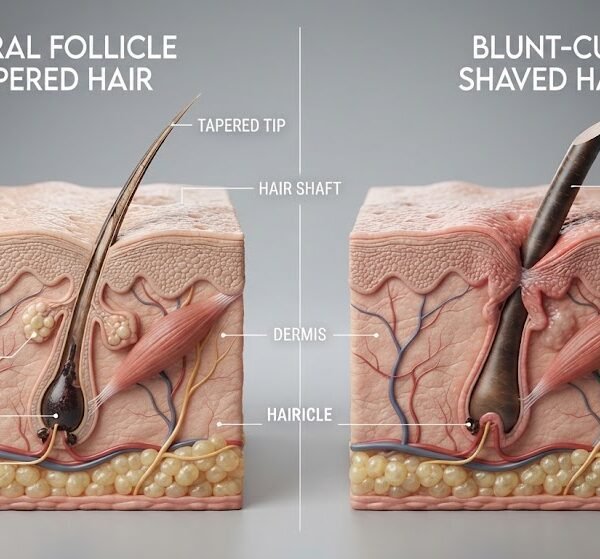
Microscopic View of Hair Follicle Tapering Myth

Detailed microscopic comparison of a natural tapered hair follicle versus a blunt-cut shaved hair shaft emerging from skin pore layers. Cross-section anatomical view showing epidermis texture, hair bulb, and sebum glands. Clean scientific lighting, realistic skin micro-relief texture, soft focal blur, educational graphic render, subtle volumetric shading.
πŸ’‘ Expert Insight: Including 'skin micro-relief texture' grounds the image by prompting the AI to synthesize fine epidermal ridges and pores, avoiding overly smooth or doll-like skin surfaces. Image generators frequently misinterpret 'blunt-cut' as damaged or frayed fibers, often generating split ends instead of a clean geometric cross-section. To correct this tendency and achieve precise cut geometry, refine the prompt by adding 'sharp cylindrical profile with an unfrayed flat top edge', which stabilizes the structural geometry of the hair shaft under high magnification.
Gemini
Authentic Human Heart Position Scientific Illustration
General

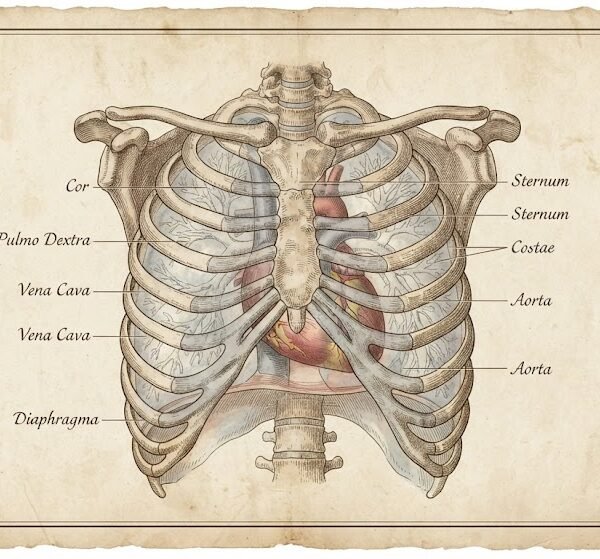
Authentic Human Heart Position Scientific Illustration

Vintage style anatomical illustration showing human chest cavity transparency with correct cardiac placement. The heart is centered behind the sternum, tilted slightly left, surrounded by translucent lung tissue and ribcage structure. Antique parchment paper texture, fine cross-hatching linework, muted watercolor wash lighting, precise medical atlas drawing style.
πŸ’‘ Expert Insight: Specifying 'fine cross-hatching linework' dictates the rendering technique, guiding the model toward classic hand-engraved aesthetic qualities rather than modern glossy 3D renders. Generative models commonly default to placing the heart completely on the left side of the chest cavity due to strong pop-culture training biases. To correct this spatial bias and pull the organ back to the midline, explicitly mandate 'thoracic midline alignment behind the sternum bone' or decrease stylization values to prioritize precise anatomical geometry over artistic convention.
Gemini
Volumetric Human Musculature Study
General

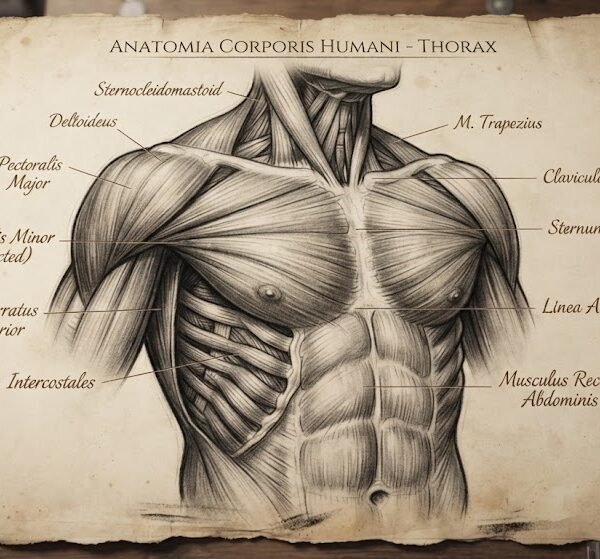
Volumetric Human Musculature Study

An anatomical study of the human upper torso showcasing layered muscle structures, rendered in classical charcoal sketch aesthetic on aged parchment paper. Subdued cross-hatching detail outlines the deltoids, pectorals, and intercostal muscles with labeled callouts, soft directional chiaroscuro lighting, neutral color palette, studio lighting.
πŸ’‘ Expert Insight: Using 'chiaroscuro lighting' forces the model to render defined volumetric depth along muscle contours, which prevents flat rendering in dense anatomical subjects. Image models like Midjourney typically favor artistic stylization over strict medical precision when processing classical sketch keywords, often merging overlapping muscle groups like the serratus anterior into generic textures. To fix imprecise anatomical overlapping or increase structural accuracy, swap the sketch medium for 'medical illustration vector diagram' or specify an isometric cross-section angle to enforce distinct geometric boundaries between deep and superficial tissue layers.
Gemini
Transparent Bone and Muscle Layering
General

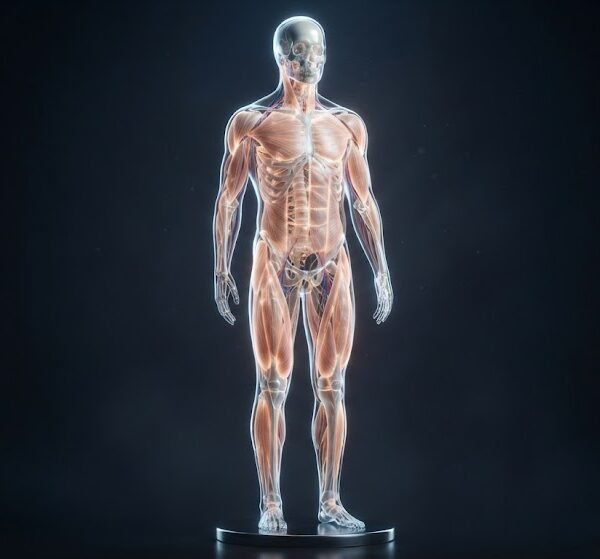
Transparent Bone and Muscle Layering

A full-body glass mannequin demonstrating the human skeletal structure, with glowing translucent muscle fibers visible underneath translucent dermal layers. Set against a clean dark studio background with rim lighting, soft subsurface scattering on organic tissue, hyper-detailed anatomical breakdown style, subtle color-coded pathways.
πŸ’‘ Expert Insight: The inclusion of 'subsurface scattering' signals diffusion of light through semi-translucent materials, creating believable visual depth between skeletal elements and soft tissue. Generators like Stable Diffusion or Flux often struggle with nested transparency, sometimes merging internal bones directly into external skin layers instead of maintaining distinct depth planes. A practical fix to resolve muddy transparency is adding 'cross-sectional cutaway view' to your prompt, which instructs the diffusion process to slice open the form cleanly rather than rendering overlapping transparent materials.
Gemini
Facial Expression Anatomy in Cross-Section
General

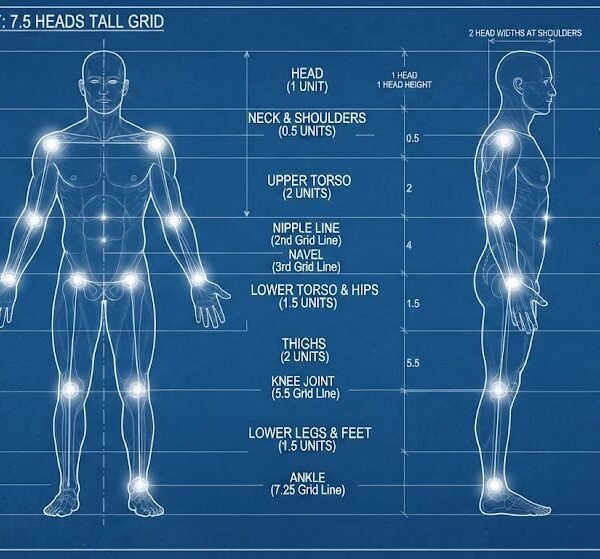
Proportion Grid and Skeletal Landmarks

An instructional visual breakdown of human proportions showing a standing male figure divided into seven-and-a-half heads tall grid lines. Architectural draft style, blue blueprint background with crisp white linework, highlighted joints, clear structural axis lines, side and front perspective views, precise technical drawing aesthetic.
πŸ’‘ Expert Insight: Specifying 'architectural draft style' helps suppress organic shading artifacts, locking the AI into clean line weights suitable for technical diagrams. Image models like Gemini or Midjourney frequently misinterpret exact mathematical grid ratios like seven-and-a-half heads, opting instead for stylized heroic proportions. If the generator distorts head-to-body ratios or produces asymmetrical grid spacing, a reliable fix is replacing the background prompt with 'orthographic projection sheet' and specifying 'equal division lines' to encourage rigid spatial alignment and symmetrical layout generation.
Gemini
Facial Expression Anatomy in Cross-Section
General

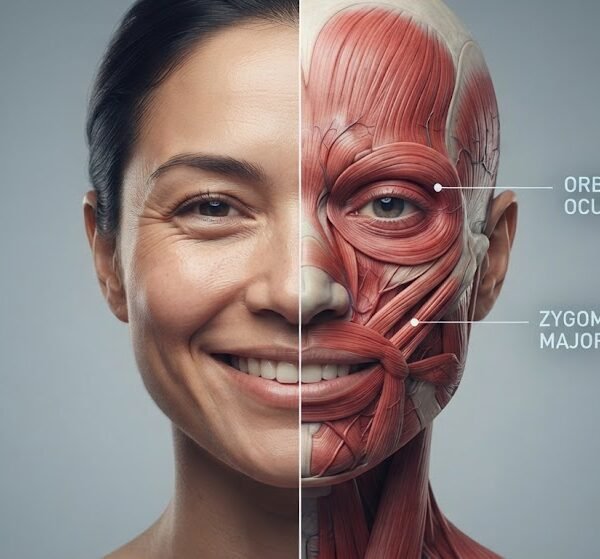
Facial Expression Anatomy in Cross-Section

A split-view head portrait showing a smiling human face on the left side and exposed facial musculature on the right. Detailed rendering of the zygomaticus major and orbicularis oculi muscles, soft studio diffuse lighting, cinematic tone, realistic skin texture contrast, neutral background, medical infographic style.
πŸ’‘ Expert Insight: The phrase 'split-view head portrait' creates a distinct compositional boundary, forcing the generative model to bisect the canvas between surface skin and internal anatomy. Diffusion models tend to blend these two states along the center line, often blurring muscle tissue into skin texture rather than creating a sharp diagnostic edge. To fix fuzzy midlines and enforce clean anatomical separation, add 'distinct vertical split-screen line' and describe the lighting separately for each side using distinct key lighting instructions.
Gemini
Dynamic Muscle Tension Visualization
General

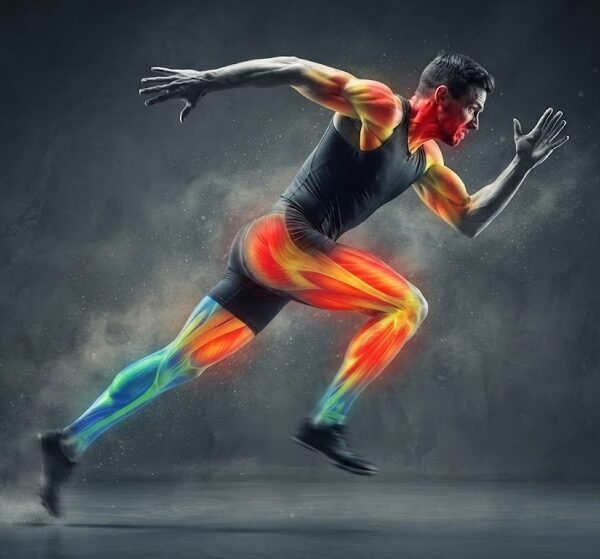
Dynamic Muscle Tension Visualization

A dynamic athletic posture showing an athlete mid-sprint, highlighted with heat-map color gradients depicting muscle tension and stress points. Red for maximum exertion in the quadriceps, cool blue for relaxed hamstrings, dark background with subtle particle effects, high-contrast studio illumination, clean kinetic motion aesthetic.
πŸ’‘ Expert Insight: Using 'heat-map color gradients' provides the AI model with a clear visual key for mapping intensity across specific muscle groups based on hue rather than structural line weight. Midjourney often applies color gradients globally across the entire figure rather than isolating them to active muscle bellies. To correct widespread color bleed and refine muscle isolation, adjust the prompt by replacing open gradients with 'localized infrared thermography overlay' to constrain the color mapping strictly within defined anatomical contours.
Gemini
Microscopic Alveoli Oxygen Exchange
General

Microscopic Alveoli Oxygen Exchange

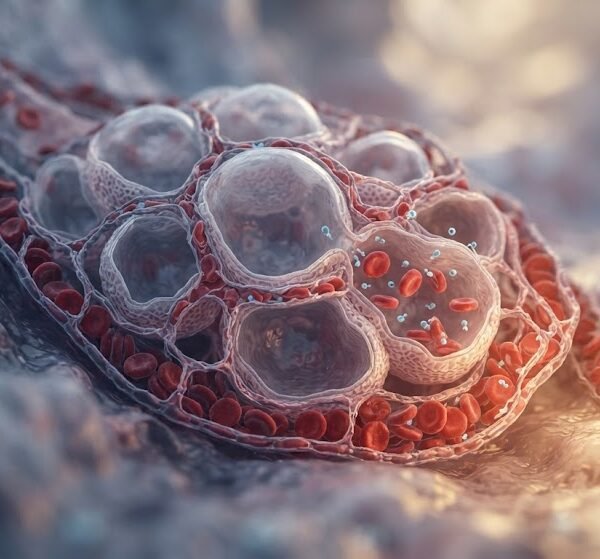
Microscopic view of pulmonary alveoli sac clusters, delicate capillary net wrapping around alveolar walls, red blood cells exchanging oxygen molecules, warm golden ambient light contrasting with cool pulmonary tissue, detailed cellular texture, depth of field macro photography, scientific cross-section visual, soft bokeh in background.
πŸ’‘ Expert Insight: The key descriptor 'capillary net wrapping' directs the diffusion engine to construct tight geometric wraps around spherical structures, ensuring textural cohesion across the cellular surface. Generative image transformers typically handle microscopic biology with impressive specular highlights, but they often default to uniform lighting that flattens spatial depth. To create a dramatic, high-contrast scientific visual, modify the illumination prompt by changing 'warm golden ambient light' to 'high-key side-lit illumination' and adding 'rim lighting'. This adjustment sharpens the edges of individual blood cells and dramatically enhances structural separation within the dense cellular cluster.
Gemini
Translucent Glass Cardiovascular System
General

Translucent Glass Cardiovascular System

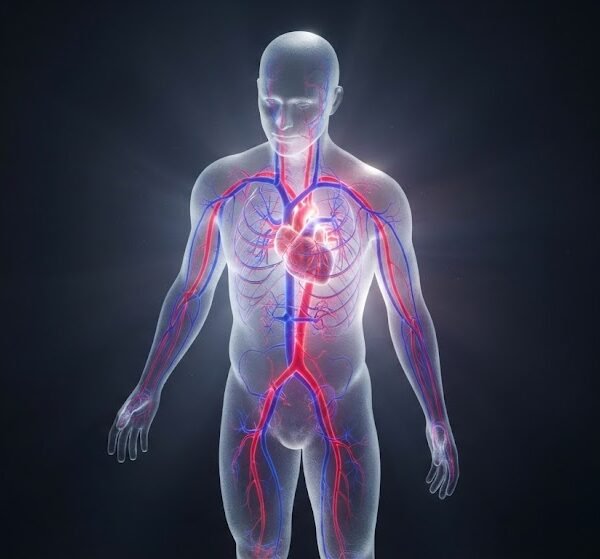
Full-body human silhouette rendered in transparent frosted glass, revealing an illuminated cardiovascular system, bright crimson arterial networks and deep cobalt venous pathways, detailed heart chamber architecture, soft studio backlighting, volumetric light rays, minimal dark backdrop, hyper-detailed anatomical visualization, high micro-contrast, elegant isometric angle.
πŸ’‘ Expert Insight: Including 'frosted glass' establishes refraction parameters, guiding the latent space toward rendering realistic light diffusion through semi-opaque volumes rather than solid opaque surfaces. Generative models excel at volumetric light interactions within glass materials, though they occasionally hallucinate incorrect vascular branches when overwhelmed by complex circulatory paths. If you need a more organic, biological texture instead of stylized glass, replace 'transparent frosted glass' with 'translucent muscular tissue' and introduce 'polarized directional light'. This alteration grounds the composition in realistic histology while maintaining precise subsurface luminosity and anatomical structural clarity.
Gemini
✨

You've reached the end of the archive.

More prompts coming soon.

Prompt copied!