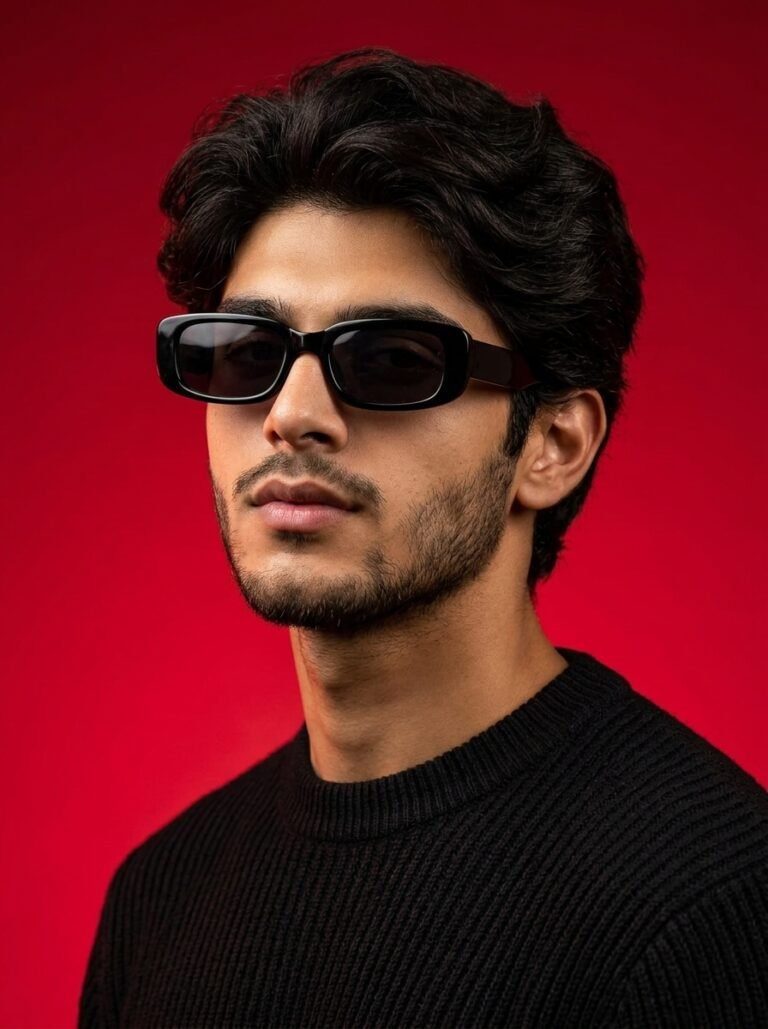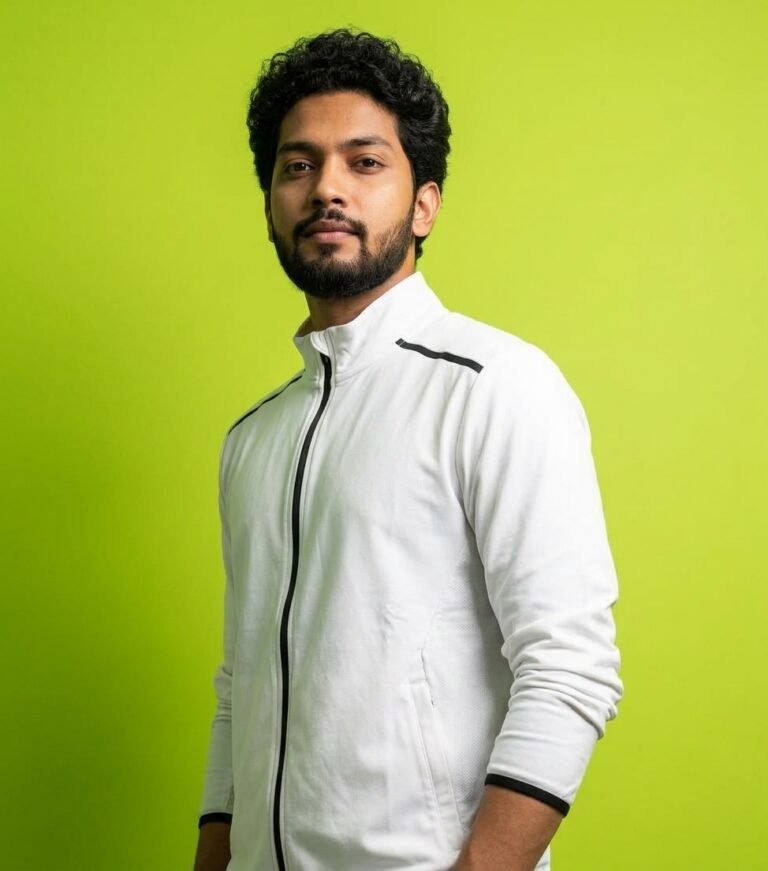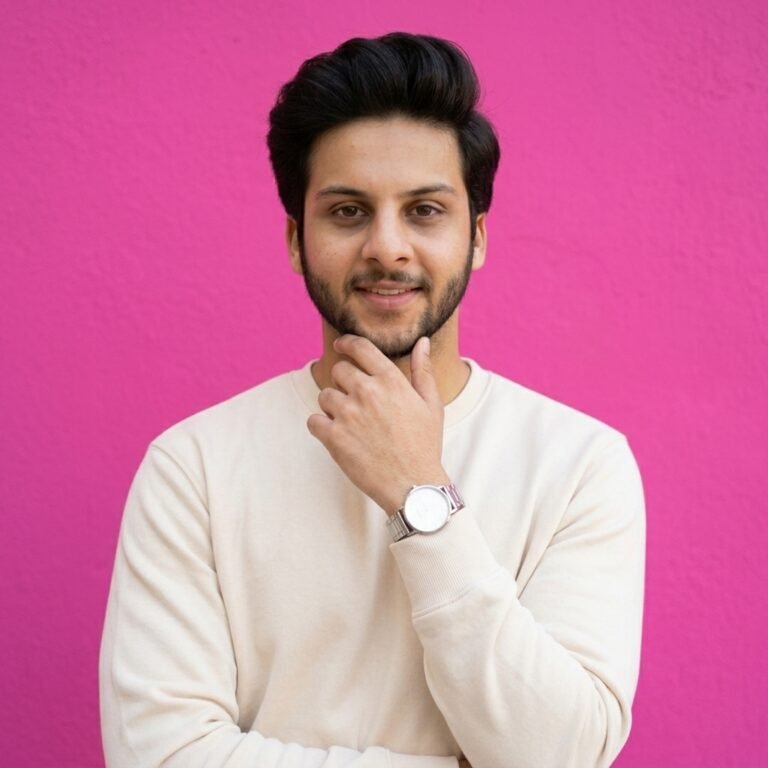










Create an ultra-high-definition, photorealistic **9:16 vertical men's fashion editorial poster** inspired by experimental slow-shutter photography, long-exposure street portraits, and contemporary independent fashion magazines. Use my uploaded reference photo as the primary facial identity reference. ### 1. Identity and Hairstyle Preservation Preserve the exact same person from my uploaded reference photo. Maintain his recognizable facial features, face shape, eyes, nose, lips, jawline, skin tone, natural proportions, and original facial hair. **Strict hairstyle preservation:** Keep the hairstyle exactly as it appears in the uploaded reference image. Preserve the original hairline, haircut, length, texture, parting, direction, volume, and color. Do not restyle, reshape, lengthen, shorten, curl, straighten, or make the hair messier. Do not invent a different hairstyle. The subject's face and hairstyle must remain recognizable and consistent even when motion effects surround him. ### 2. Subject and Fashion Styling A confident man photographed as the central figure in an experimental high-fashion editorial. He wears a sharply tailored black oversized blazer over a fitted black shirt, elegant dark trousers, and understated black leather accessories. The styling is sophisticated, contemporary, and slightly rebellious, with realistic fabric texture, defined shoulders, natural folds, and a clean silhouette. Keep the outfit premium and visually detailed without unnecessary jewelry, logos, or decorative elements. ### 3. Pose and Composition The subject stands nearly still in the center of the frame, facing slightly away from the camera while turning his face toward the lens. His shoulders are relaxed, his chin subtly lowered, and his expression calm, serious, and introspective. Surround the central figure with blurred silhouettes of people walking past him in different directions. The surrounding movement creates a sense of time passing while the central subject remains visually anchored. Use a carefully balanced full-body or three-quarter composition, leaving generous negative space in the upper and lower portions of the poster for typography. Keep the face unobstructed and clearly readable. ### 4. Scene and Background Set the photograph on a contemporary city street with minimalist architecture, smooth concrete surfaces, and subtle reflections on the pavement. The environment should feel atmospheric and authentic rather than like a digitally generated fantasy scene. Use a **deep crimson-red, rich charcoal-black, and subtle electric-blue color palette**. Introduce saturated red through architectural lighting, reflected color, or a distant illuminated wall. Keep the darker areas rich and detailed, with controlled blue accents providing visual separation. Avoid pale colors, washed-out tones, pastel palettes, and excessive background clutter. ### 5. Slow-Shutter Motion and Long-Exposure Effects Create authentic photographic motion using the visual characteristics of a slow shutter speed, approximately 1/4 to 1/2 second, combined with a deliberate panning or stationary-camera technique. Keep the central man's face, eyes, and core facial features relatively sharp, as if the camera has captured a moment of stillness while the surrounding environment continues moving. Allow passing pedestrians to form elongated, semi-transparent motion trails, soft directional streaks, and naturally overlapping ghosted silhouettes. Introduce subtle layered afterimages around moving bodies and clothing, suggesting the passage of time across a single exposure. The motion blur must follow believable directions of movement. Moving figures should gradually dissolve into soft streaks without producing duplicated facial features, distorted limbs, extra fingers, or unnatural anatomy. The central figure may have a very subtle movement trace along one shoulder or the edge of his coat, but his face must remain the primary visual anchor. **Important:** The effect must look like real long-exposure photography, not a digital glitch, artificial cloning effect, or fantasy visual effect. ### 6. Lighting and Camera Technique Use cinematic directional lighting with a controlled neutral key light illuminating the subject's face. Add a saturated crimson rim light along one side of his silhouette and a subtle electric-blue edge light on the opposite side. Simulate a full-frame camera with a 50mm lens, a slow shutter, and carefully controlled exposure. Use a tripod-like stable framing for the sharp central subject while the moving crowd creates authentic motion trails. Maintain realistic skin pores, natural facial shadows, accurate clothing texture, and subtle atmospheric depth. Allow the brightest lights to leave delicate trails, but avoid blown highlights and excessive glow. ### 7. Color Grading and Film Texture Apply editorial color grading with deep crimson reds, rich blacks, restrained electric-blue accents, and natural skin tones. Introduce fine film grain, slight exposure imperfections, subtle halation around bright lights, and gentle atmospheric softness in the background. Keep the central face crisp and detailed while allowing the moving environment to become softer and more abstract. The result should feel cinematic, tactile, moody, and photographed in-camera rather than overly polished or digitally processed. ### 8. Magazine Typography and Poster Design Design the poster like a contemporary independent fashion magazine cover with a sophisticated minimalist layout. **Main title:** “AFTERIMAGE” Place the title in large, elegant, modern sans-serif typography, preferably uppercase, with carefully controlled letter spacing. Position it in the upper third or lower third of the composition without covering the subject's face. **Subtitle:** “STILLNESS IN MOTION” Place the subtitle beneath the main title in smaller, restrained uppercase typography. Use clean alignment, precise spacing, and strong contrast against the background. Use white or warm ivory typography against the darker areas of the image. Keep the design minimal, editorial, and intentional. Include only the main title and the single subtitle. Do not include volume numbers, issue dates, image numbers, additional headlines, captions, logos, signatures, watermarks, or decorative text. ### 9. Final Image Quality Ultra-realistic fashion photography, authentic long-exposure motion blur, a sharply recognizable central subject, preserved reference identity and hairstyle, sophisticated black tailoring, saturated crimson and electric-blue accents, cinematic lighting, realistic anatomy, subtle analog film texture, refined negative space, and premium editorial art direction. **Aspect ratio:** 9:16 vertical portrait poster. **Final priority:** Preserve the exact person and original hairstyle from the uploaded reference photo. Keep the central face recognizable and relatively sharp. Let the movement, surrounding figures, lighting, and composition create the experimental visual impact.
The key to this style is the contrast between a relatively sharp central subject and the directional motion of the surrounding crowd. In real long-exposure photography, a slow shutter records movement over time; for AI generation, explicitly separating the stationary subject from moving background figures helps prevent the face from becoming distorted. The crimson-and-electric-blue palette adds visual impact while the minimal typography preserves the sophisticated editorial mood.