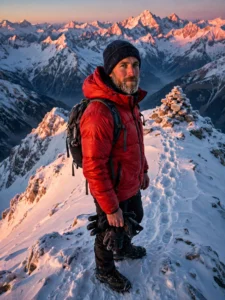
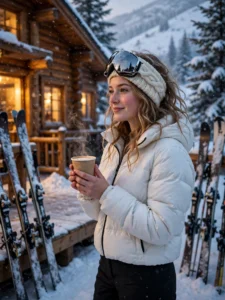
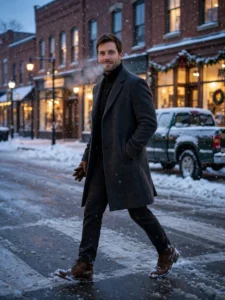
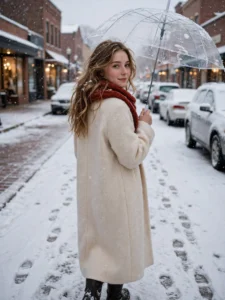
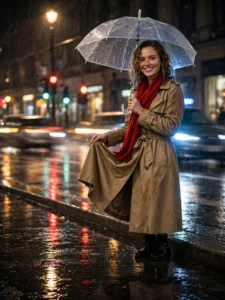
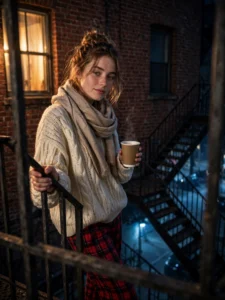
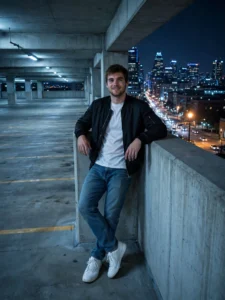
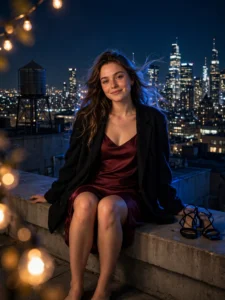
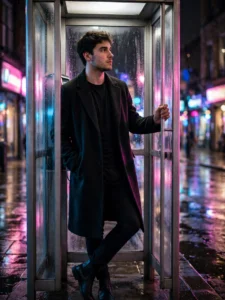
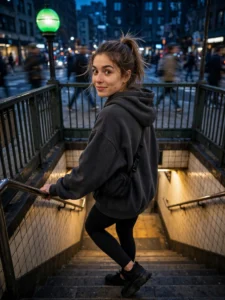
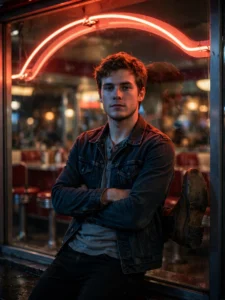
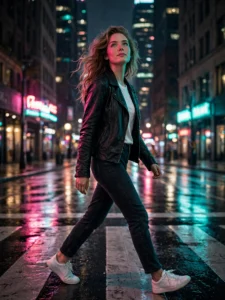
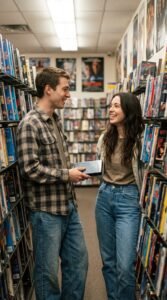
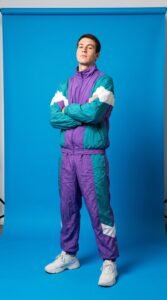
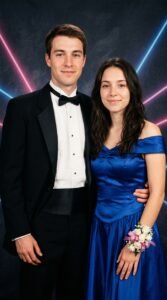
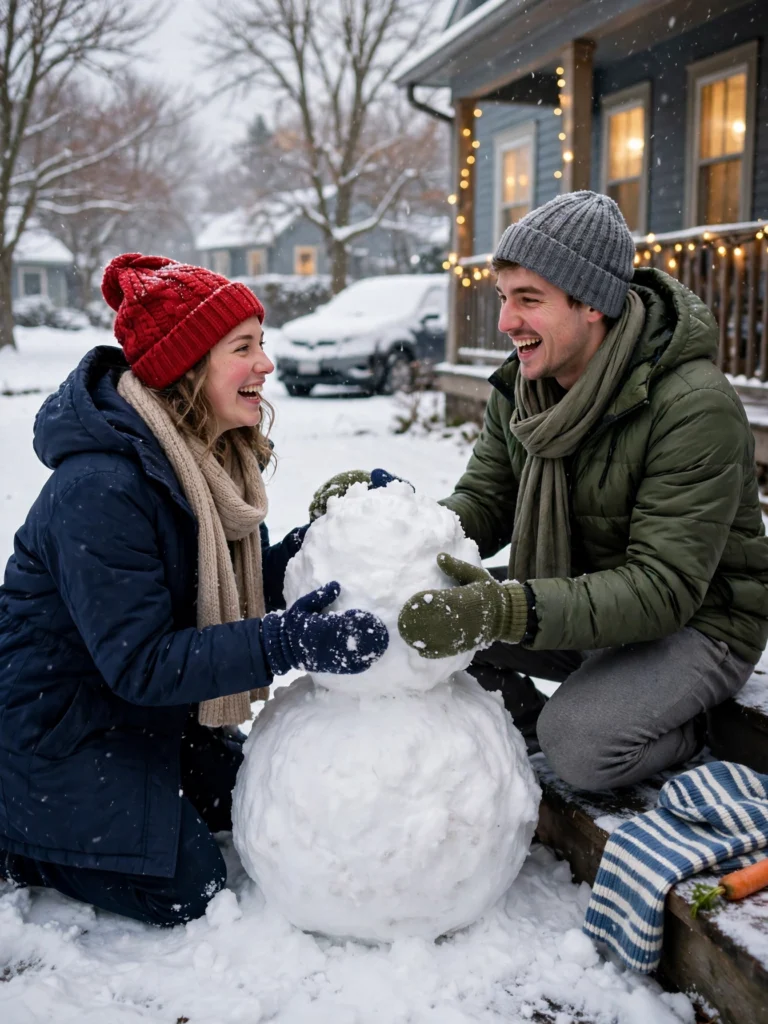
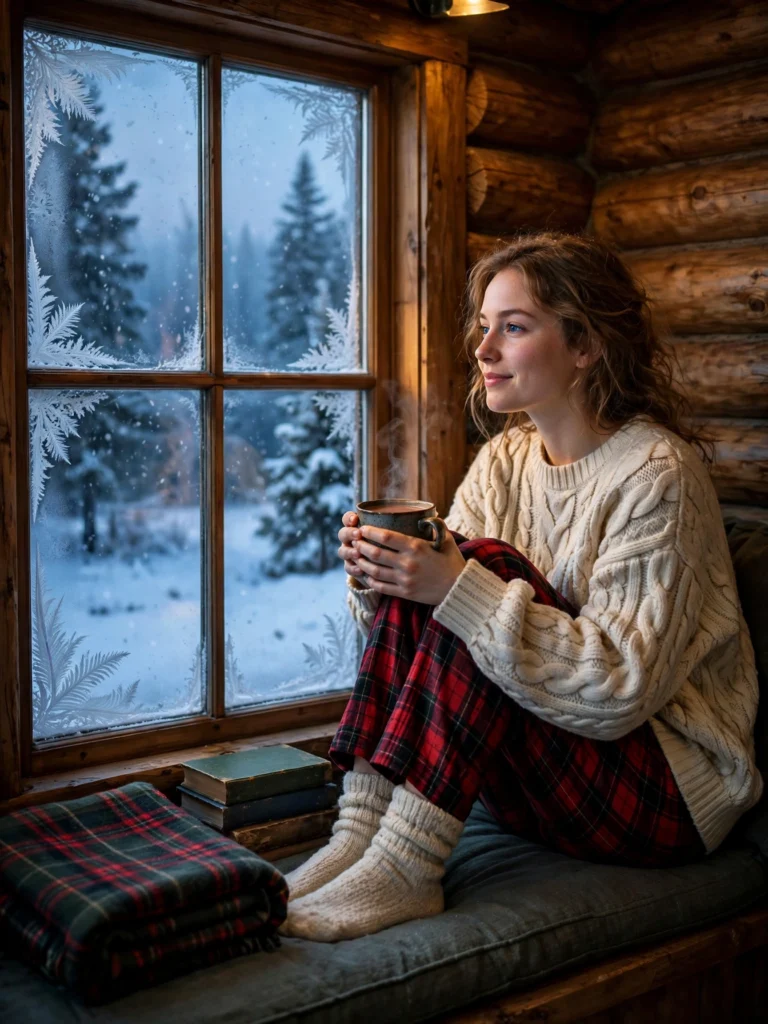
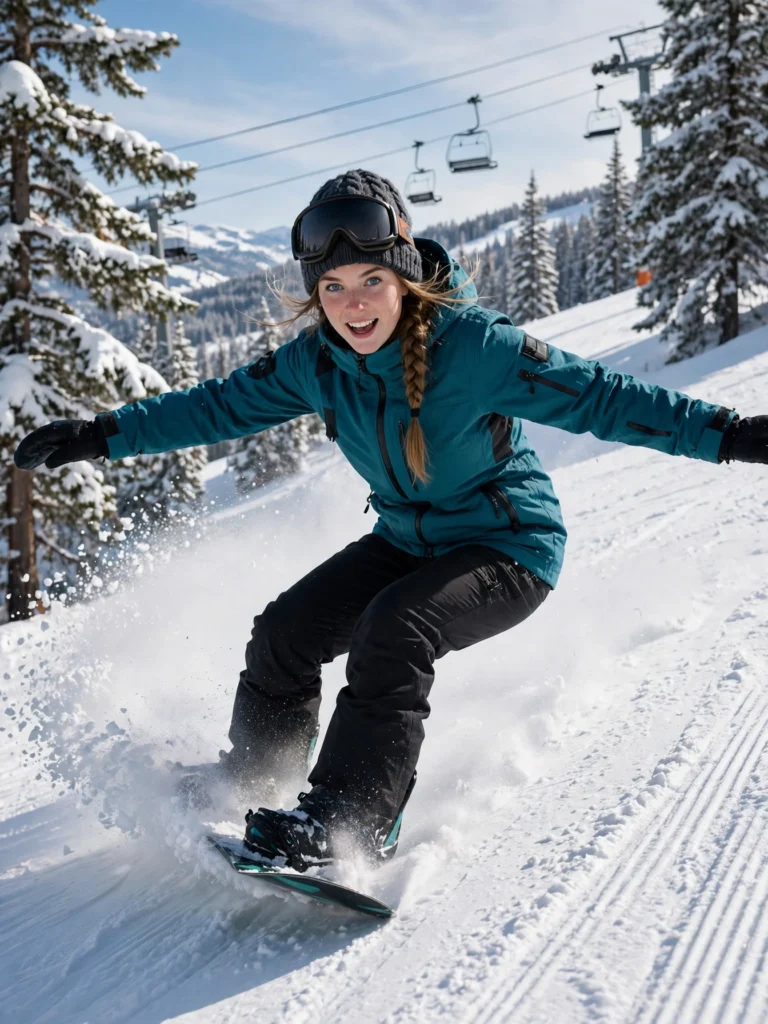
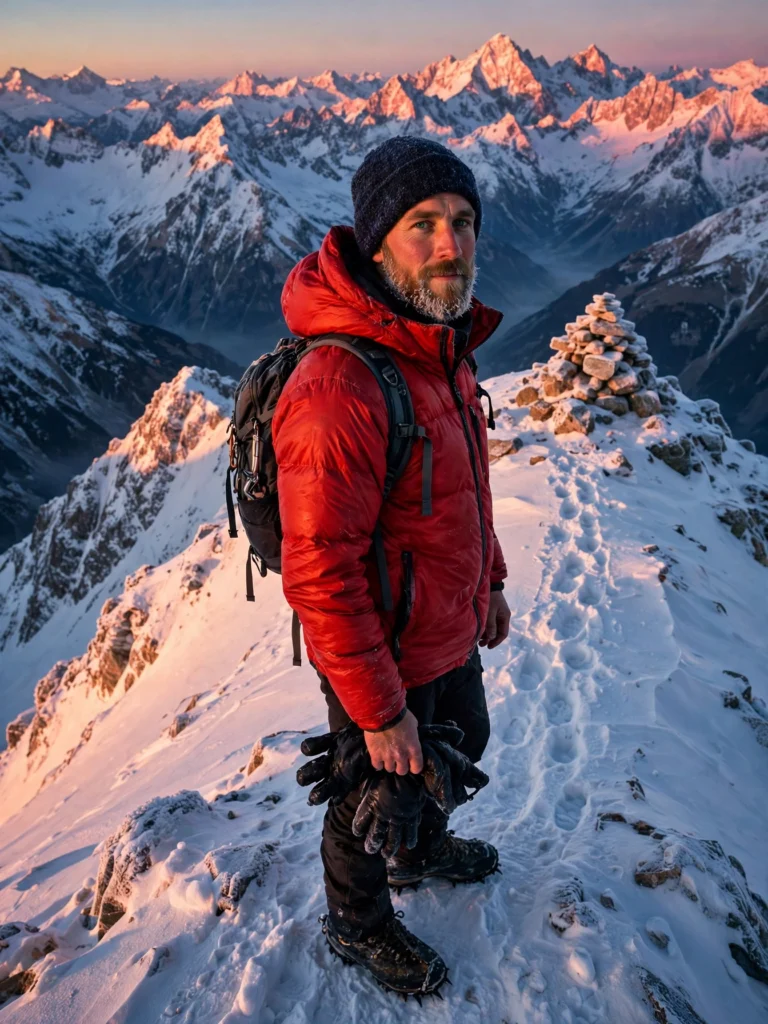
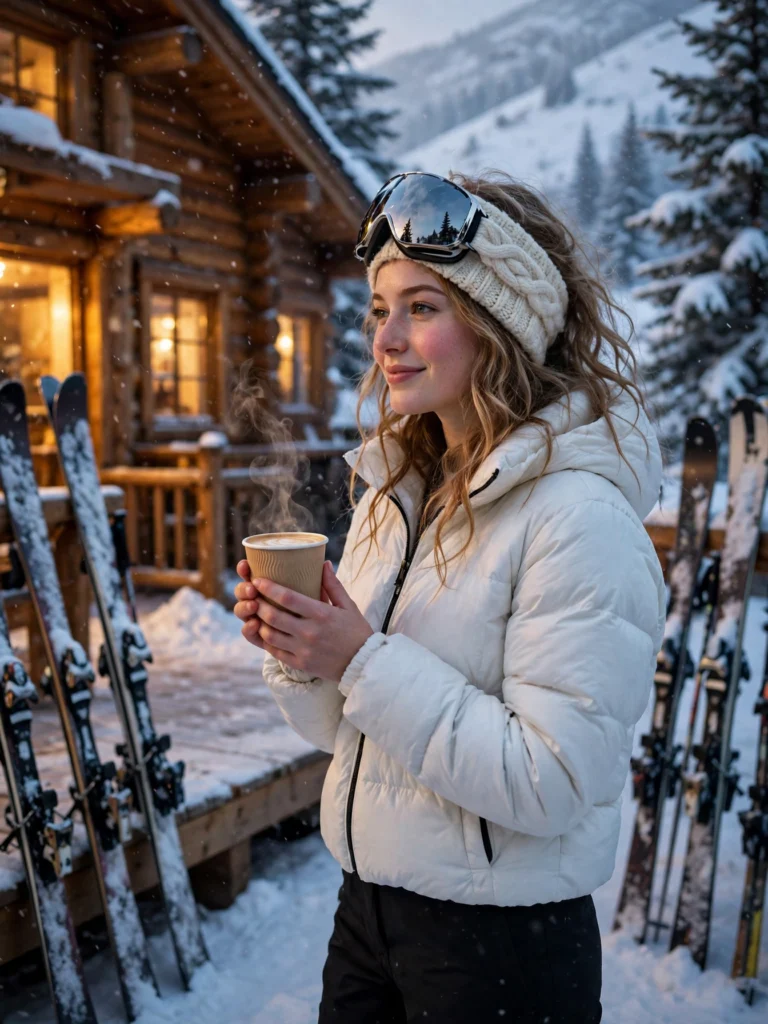
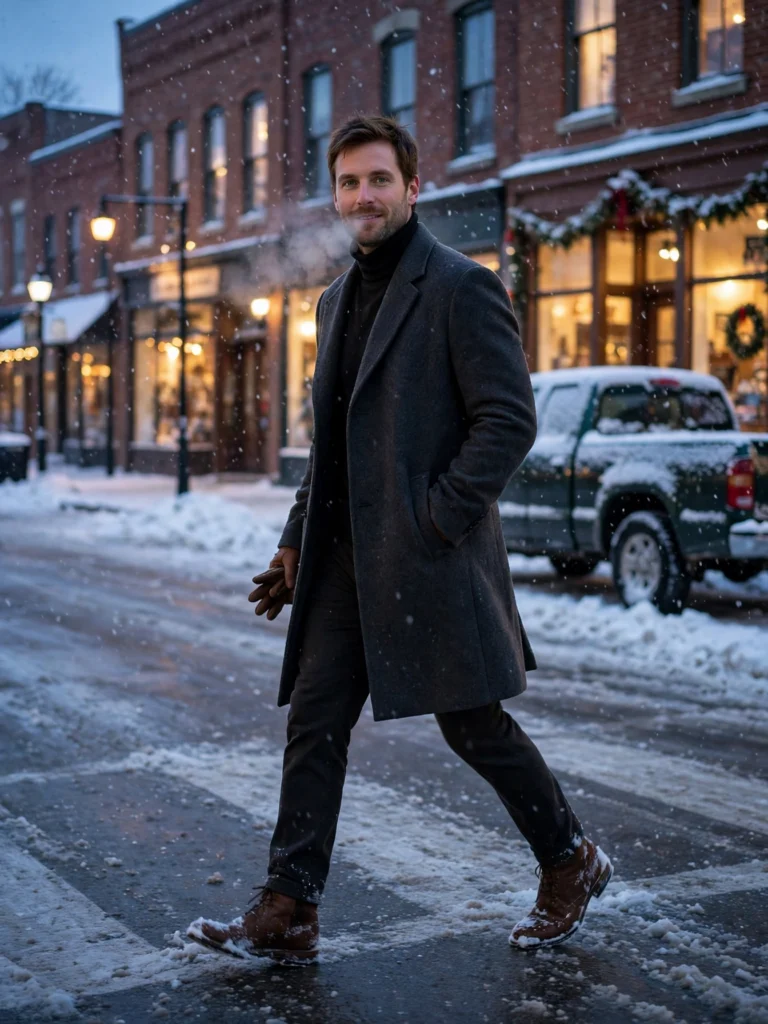
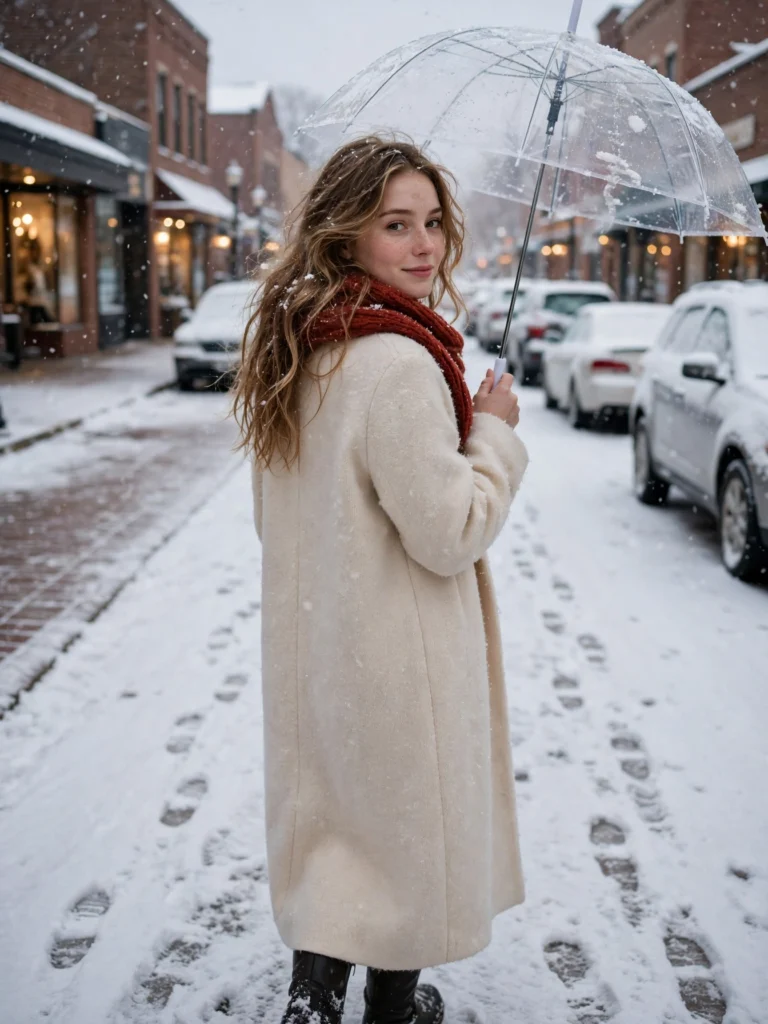
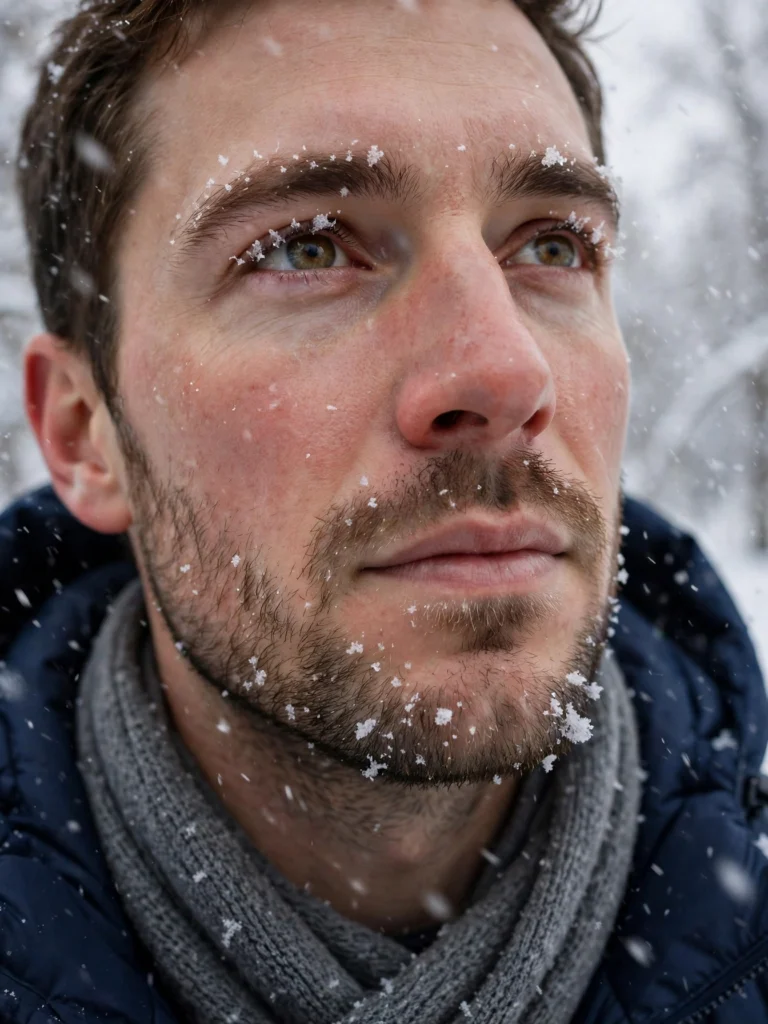
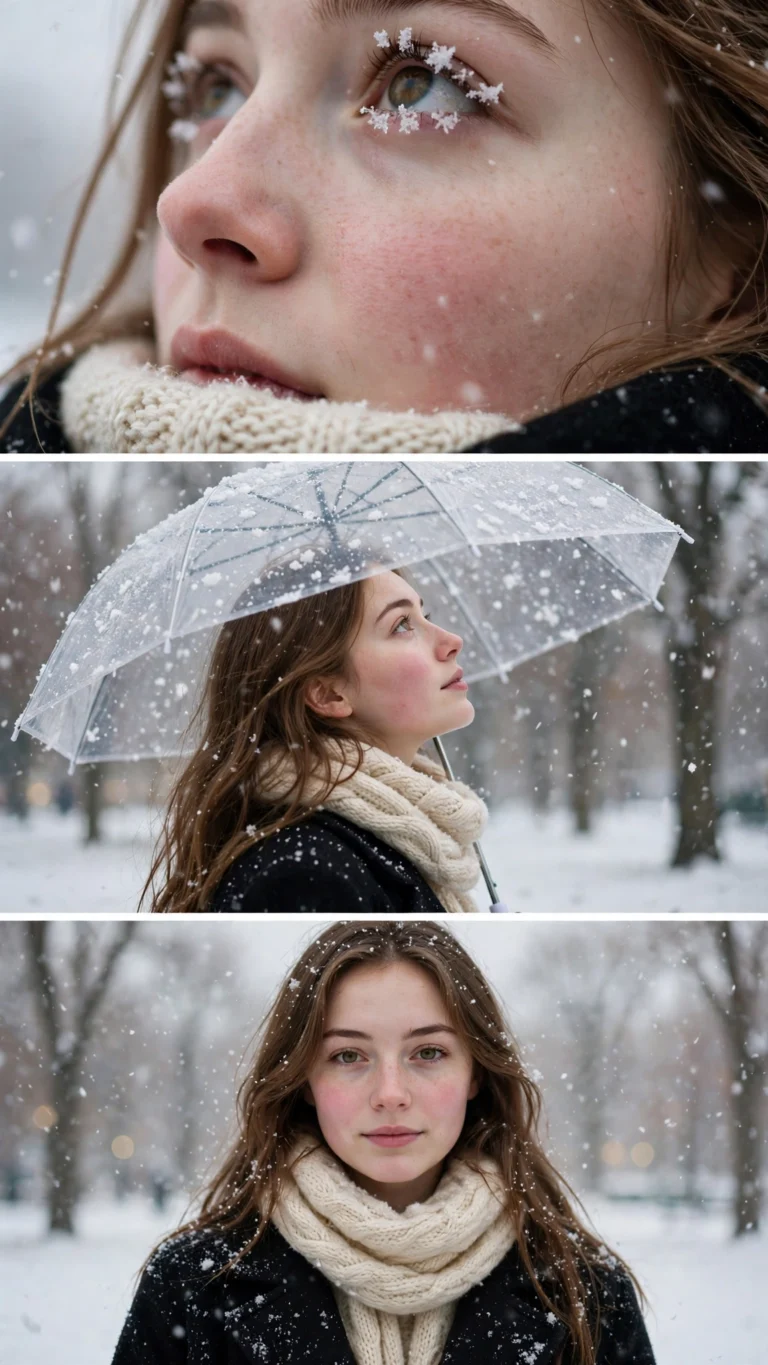
What are winter snow photo prompts?
A winter snow prompt is a ready-made instruction that turns your own photo into a snow scene: copy the prompt, paste it into Gemini or ChatGPT together with your photo, and the tool rebuilds the world around you — the snowfall, the outfit and the winter light — while your face stays yours. The ten prompts on this page are complete scenes, not one-line ideas: each one names the place, the pose, the clothes and the exact light, because in snow the light and the small details (flakes on lashes, breath in the air, steam from a cup) are what make the picture believable.
The three sections
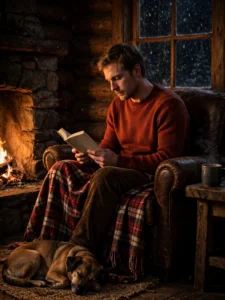
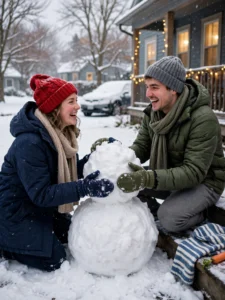
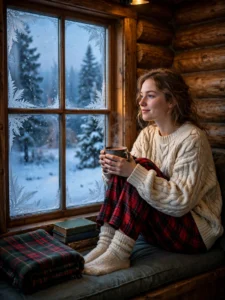
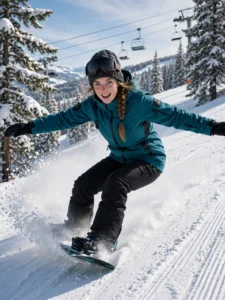
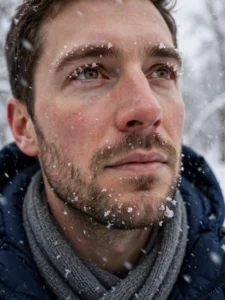
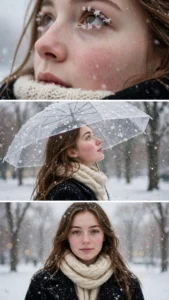
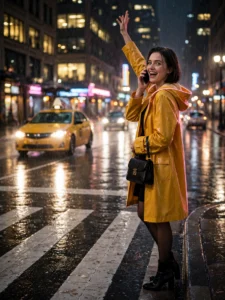
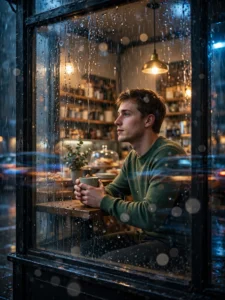
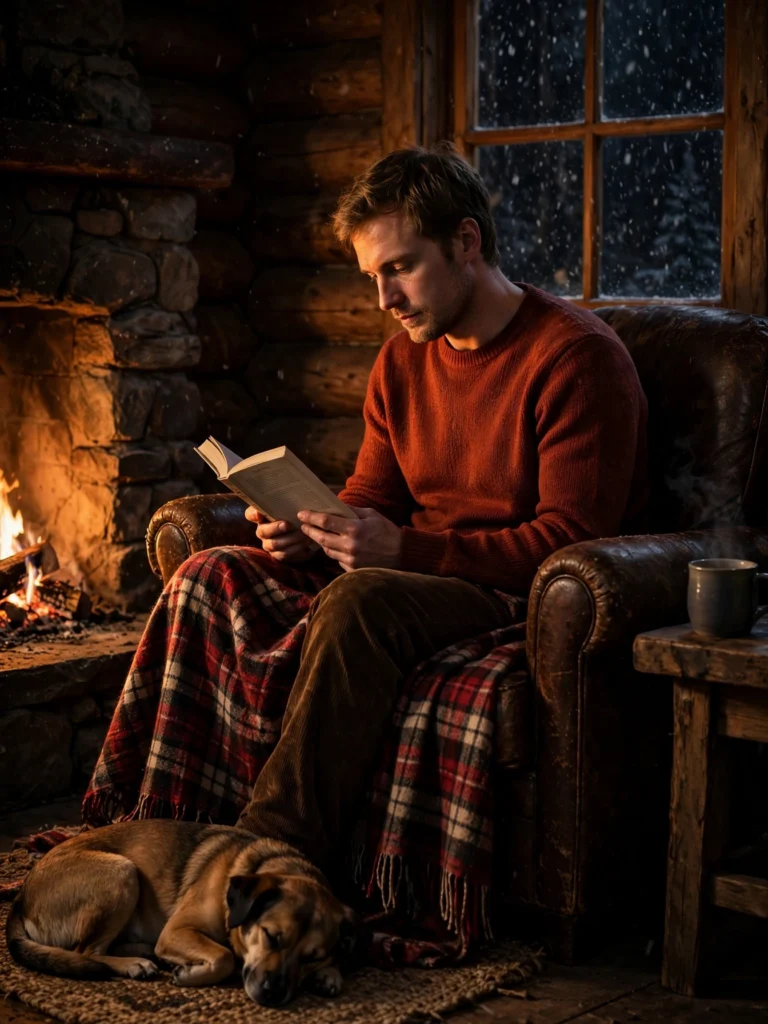
Snowfall Portraits — four looks built on falling snow itself: the viral three-panel collage, an extreme close-up, a clear-umbrella look-back and a blue-hour main street. Ski & Mountain — three looks on the slopes: a lodge latte, a summit ridge at alpenglow and a snowboard carve frozen mid-spray. Cozy Winter — three looks on the warm side of the season: a cabin window seat, a couple building a snowman, and a fireside read while snow falls outside.
Why snow portraits go wrong — and how these prompts handle it
Three failures show up again and again in AI snow portraits. First, the snow looks pasted on — confetti instead of weather; every prompt here asks for fine falling snow with a few flakes resting on hair, lashes and shoulders. Second, faces drift in turned or action poses; each prompt opens with a face-lock paragraph that pins your features, skin tone and age before any scene is described, and the couple prompt locks two faces separately. Third, AI flattens winter light into one grey wash; these prompts separate the temperatures — cold blue ambient against warm window, lodge or fire light — so the picture keeps its depth. When a run still misses, every card carries fix lines you can paste straight back into the same chat.
Getting the best result
Start with a sharp, front-facing reference photo in plain, even light — no sunglasses, no heavy shadows, no beauty filter. Generate once, judge the face first, and only then fix small things with the follow-up lines on the card. Changing one thing per follow-up keeps the face stable; rewriting the whole prompt each time is what makes faces wander.