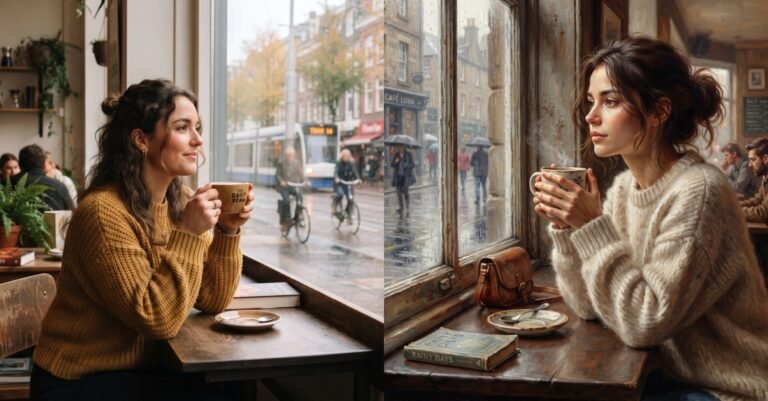
Standfirst: Twenty everyday photo edits, the identical prompt sent to both tools, first try only, every result scored blind. Final score: ChatGPT 291, Gemini 288, out of 300. That is a dead heat.
The verdict
There is no winner worth declaring here.
Across 20 photo-editing tasks, ChatGPT scored 291 out of 300 and Gemini scored 288 out of 300 — a gap of 3 points — an average of 0.15 points per task. On the two things most people care about, the tools finished exactly level: following the instruction (97–97 out of 100) and keeping the person in the photo recognisably the same person (96–96). The whole gap sits in one category, image quality, where ChatGPT edged it 98 to 95.
Eleven of the 20 tasks were exact ties. ChatGPT won five tasks, Gemini won four. Every one of the 40 runs produced a usable image on the first try — no refusals, no failures, nothing that had to be thrown away. The lowest score any run received was 11 out of 15; the average across all 40 runs was 14.5.
Read the 3-point gap for what it is: a lean, not a lead. One scorer giving one extra point on three runs would reverse it. If you already use one of these tools for photo editing, this test gives you no reason to switch. If you are choosing, pick by the specific job — the task-by-task results below show where each tool actually stumbled.
Scores at a glance
| ChatGPT | Gemini | |
|---|---|---|
| Total (out of 300) | 291 | 288 |
| Mean score per task (out of 15) | 14.55 | 14.4 |
| Instruction — did it do what was asked (out of 100) | 97 | 97 |
| Face — is it still the same person (out of 100) | 96 | 96 |
| Quality — does the image hold up (out of 100) | 98 | 95 |
| Tasks won | 5 | 4 |
| Tasks tied | 11 | 11 |
| Failed or refused runs | 0 | 0 |
Task by task
| # | Task | Gemini | ChatGPT | Result | What happened |
|---|---|---|---|---|---|
| T01 | Outfit swap (suit) | 15 | 15 | Tie | Both produced a clean suit swap with face and background unchanged. |
| T02 | Background swap (beach) | 14 | 15 | ChatGPT | ChatGPT matched the warm sunset light on the subject; Gemini’s beach looked slightly painterly. |
| T03 | Relight (day to night) | 14 | 15 | ChatGPT | Both relit the scene to night; under Gemini’s lamps the shirt read grey-violet instead of blue. |
| T04 | Hair change | 15 | 15 | Tie | Both gave him shoulder-length light-brown hair and touched nothing else. |
| T05 | Age shift (to 60) | 13 | 11 | Gemini | Gemini aged him naturally and mostly kept the likeness. ChatGPT’s ageing looked convincing but the identity drifted, and it added a grey beard nobody asked for. |
| T06 | Style change (anime) | 13 | 14 | ChatGPT | Both redrew the photo as anime; ChatGPT kept a stronger likeness, Gemini’s face turned generic. |
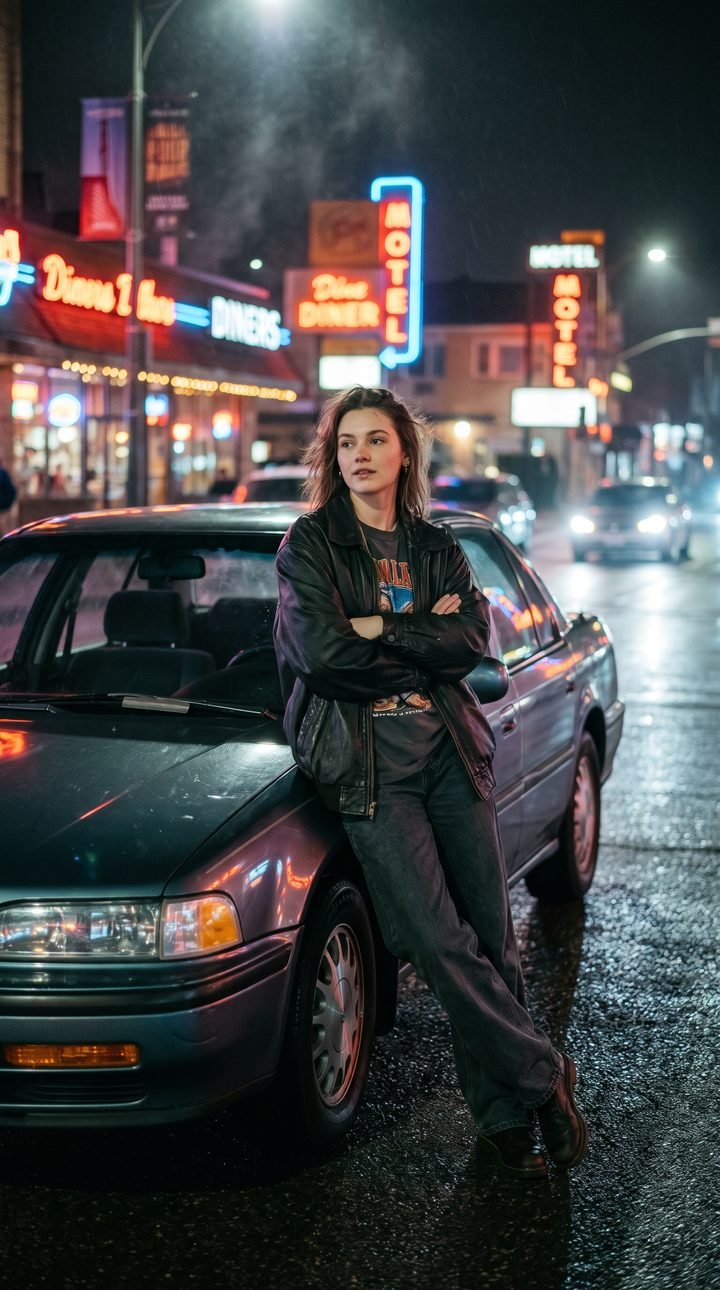
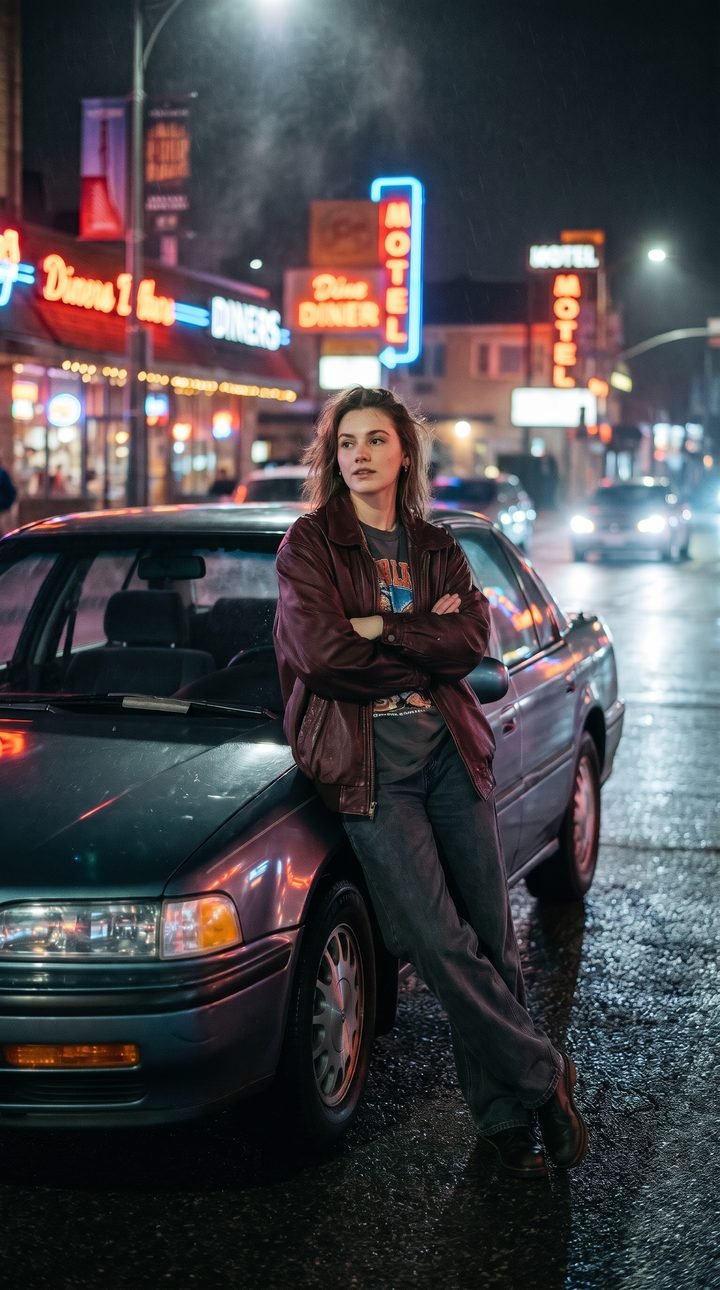
| T07 | Jacket colour change | 15 | 14 | Gemini | Gemini’s deep red leather was clean. ChatGPT got the colour right but the leather looked a bit glossy and synthetic. |
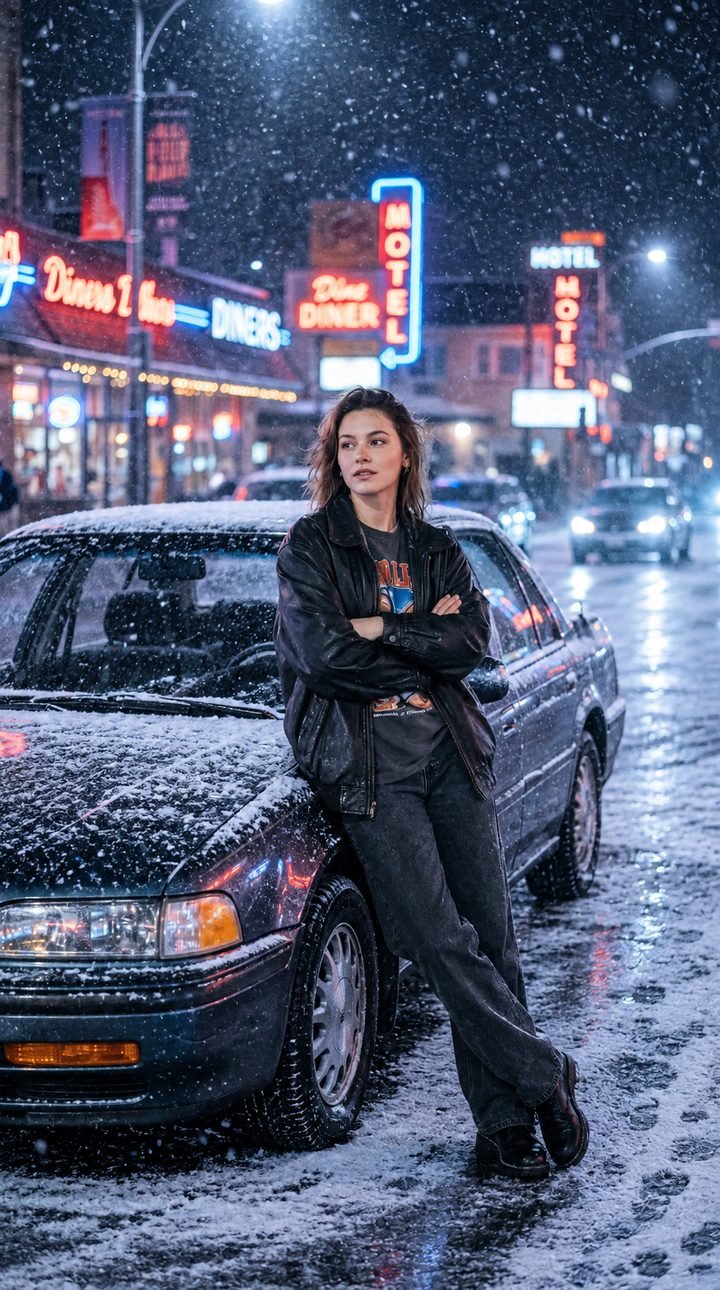
| T08 | Weather change (snow) | 15 | 15 | Tie | Both added convincing snow over the car and street, subject unchanged. |
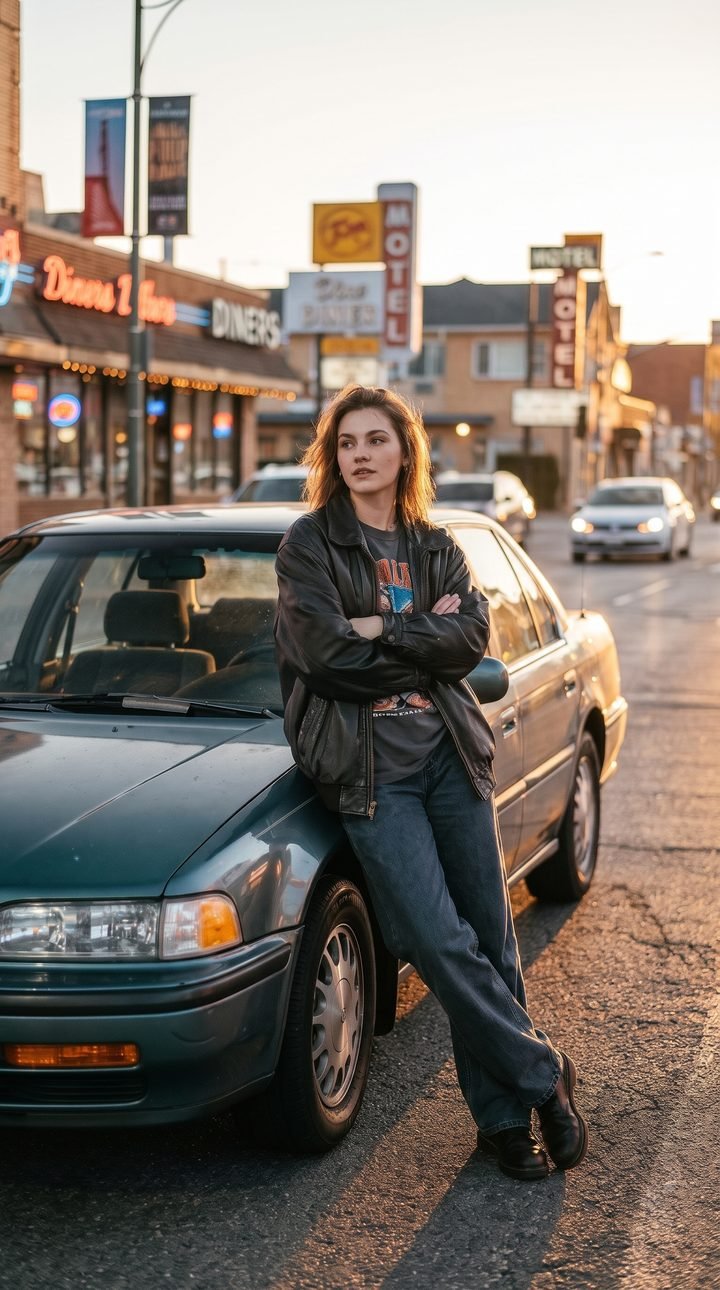
| T09 | Time change (night to golden hour) | 15 | 14 | Gemini | Gemini kept the same street with the neon signs switched off, as asked. ChatGPT nailed the golden light but rebuilt the street and removed the signs instead of switching them off. |
| T10 | Add an object (dog) | 15 | 15 | Tie | Both added the dog naturally; Gemini’s version even matched the wet-ground reflections. |
| T11 | Remove an object (car) | 15 | 15 | Tie | Both removed the car completely and filled in the brick wall so it looked natural. |
| T12 | Style change (oil painting) | 11 | 14 | ChatGPT | The clearest miss of the edition. ChatGPT produced a real oil painting with visible brushwork and the likeness survived. Gemini only laid a faint canvas-grain overlay over the photo — no brush strokes, still a photograph (Instruction: 2/5). |
| T13 | Group selective edit (middle shirt) | 15 | 15 | Tie | Both changed only the middle person’s shirt; all three faces untouched. |
| T14 | Group background swap (beach) | 15 | 15 | Tie | Both moved the group to a sunny beach with faces, clothes and poses intact. |
| T15 | Studio headshot | 15 | 15 | Tie | Both produced a clean studio headshot on light grey, face and shirt unchanged. |
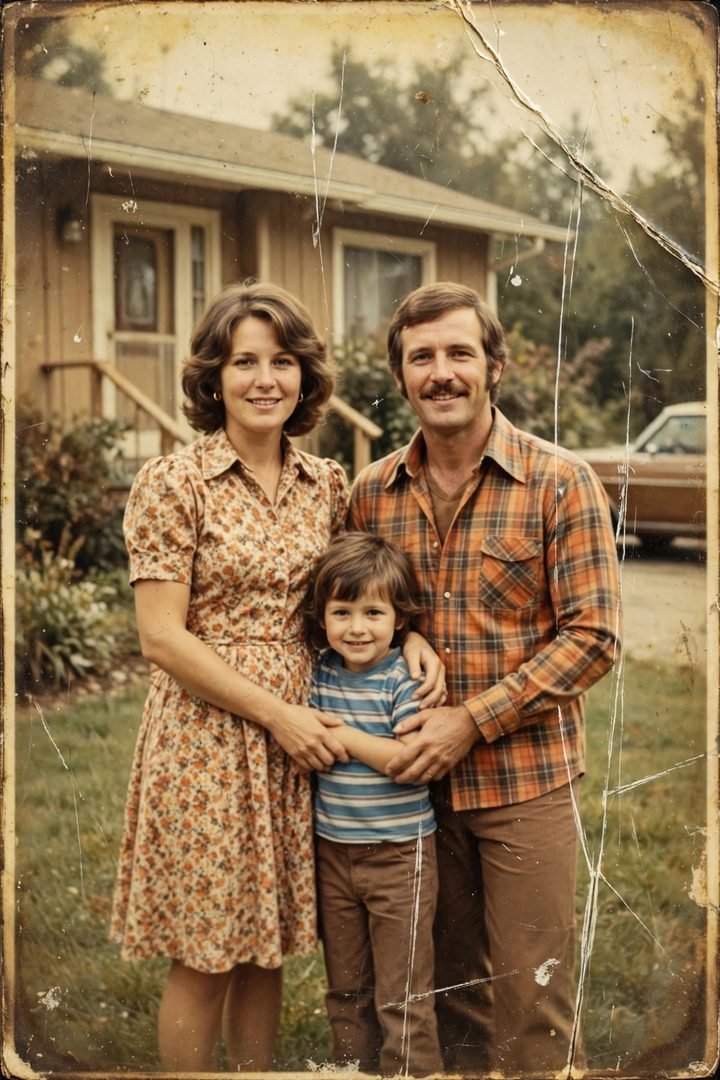
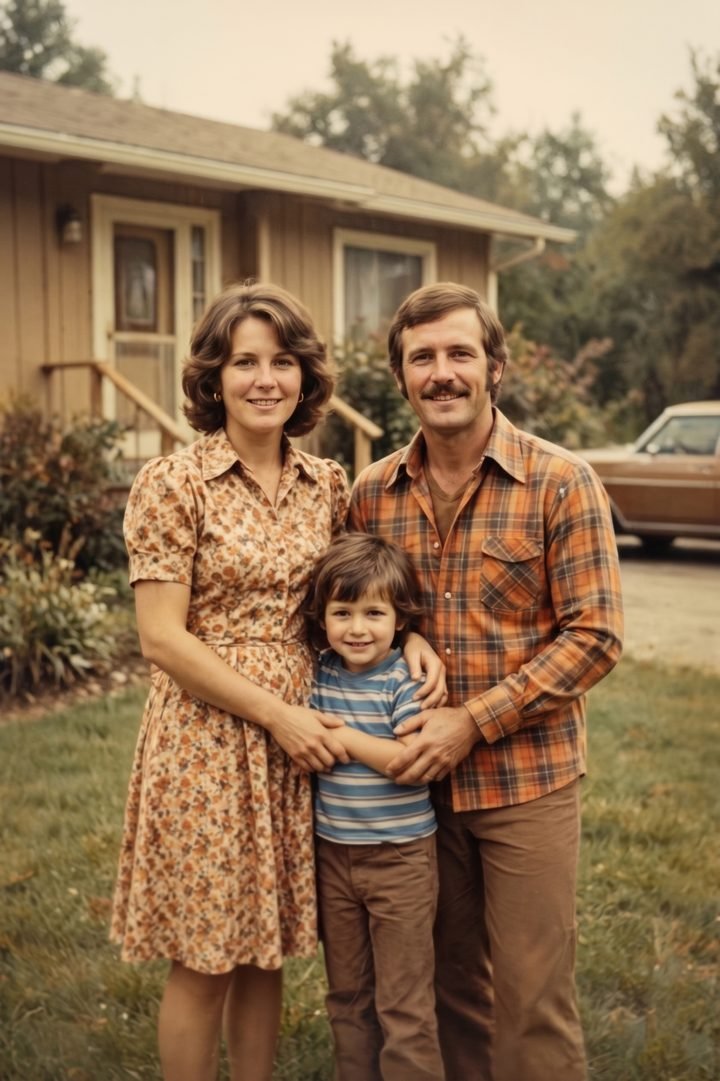
| T16 | Old photo restore | 13 | 15 | ChatGPT | ChatGPT restored the damaged photo fully, with bright natural colours. Gemini removed all the damage too, but left slight redraw softness on the faces. |
| T17 | Scene move (street to café) | 15 | 15 | Tie | Both moved her into a warm café in the same pose, jacket and face kept. |
| T18 | Cinematic grade | 15 | 15 | Tie | Both applied a teal-and-orange film grade without touching the subject. |
| T19 | Text on shirt | 15 | 15 | Tie | Both printed DENVER across the chest, spelled exactly, and changed nothing else. |
| T20 | Zoom out (full body) | 15 | 14 | Gemini | Gemini extended the scene to full body cleanly. ChatGPT reached full body too, but moved his hands into his pockets, slightly changing the pose. |
Three runs scored 13 or below, and they are the most useful findings in the test:
- Gemini on the oil painting (T12, 11/15) — it did not really do the edit. A light texture over a photo is not a painting, and it scored 2 out of 5 for following the instruction.
- ChatGPT on the age shift (T05, 11/15) — the ageing itself was good, but the man who came back was drifting away from the man who went in, plus an unrequested beard.
- Gemini on the old photo restore (T16, 13/15) — a solid restore that removed every scratch and crease, marked down only because the redrawn faces went slightly soft.
Every run, in pictures
Each task shows the original input beside the first-try output from Gemini and ChatGPT, with the blind score underneath. Full-resolution outputs are included in the dataset downloads below.
T01 — Outfit swap (suit)
Exact tie, 15 points each.



T02 — Background swap (beach)
ChatGPT scored higher on this task, 15 to 14.


T03 — Relight (day to night)
ChatGPT scored higher on this task, 15 to 14.


T04 — Hair change
Exact tie, 15 points each.


T05 — Age shift (to 60)
Gemini scored higher on this task, 13 to 11.


T06 — Style change (anime)
ChatGPT scored higher on this task, 14 to 13.
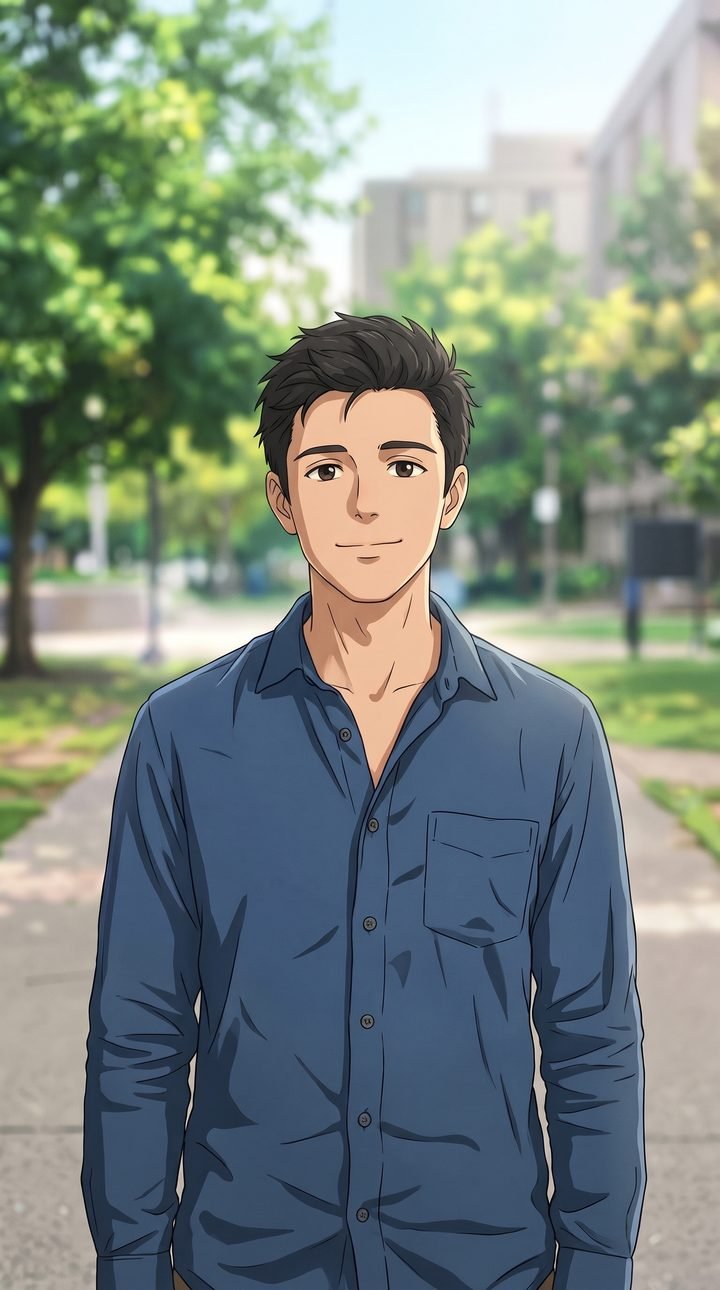

T07 — Jacket colour change
Gemini scored higher on this task, 15 to 14.
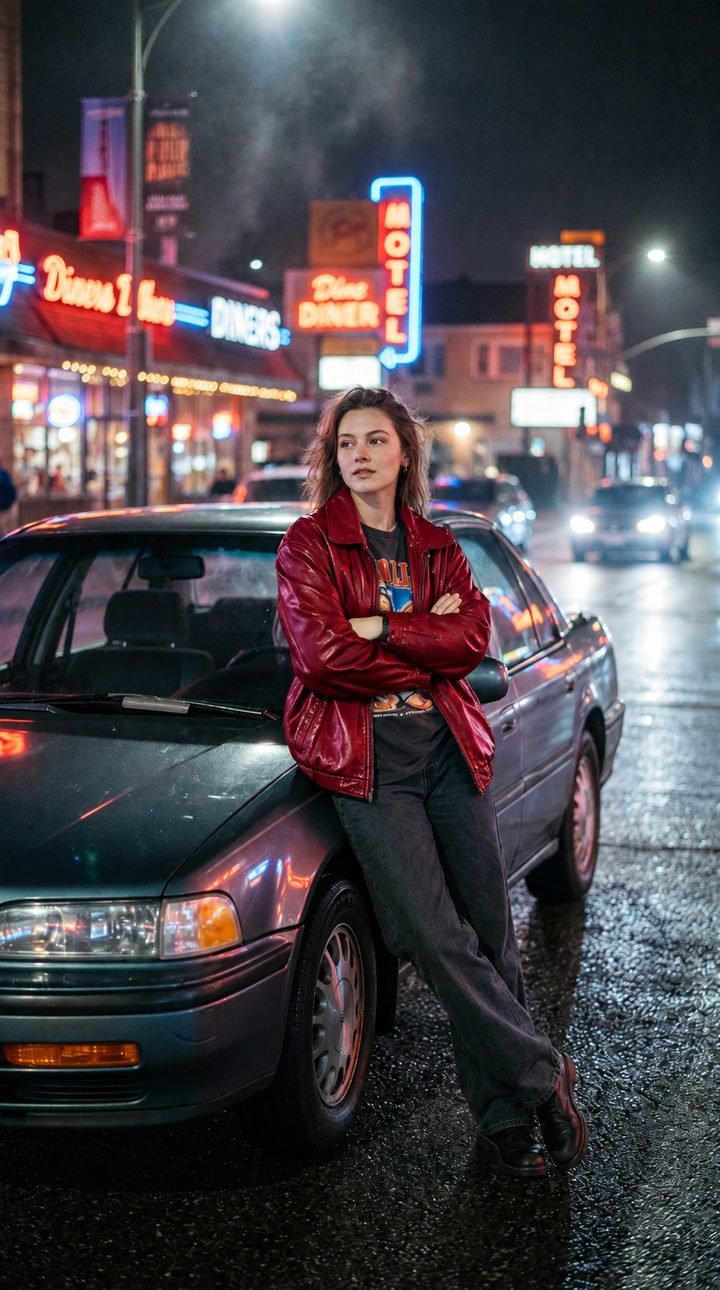
T08 — Weather change (snow)
Exact tie, 15 points each.
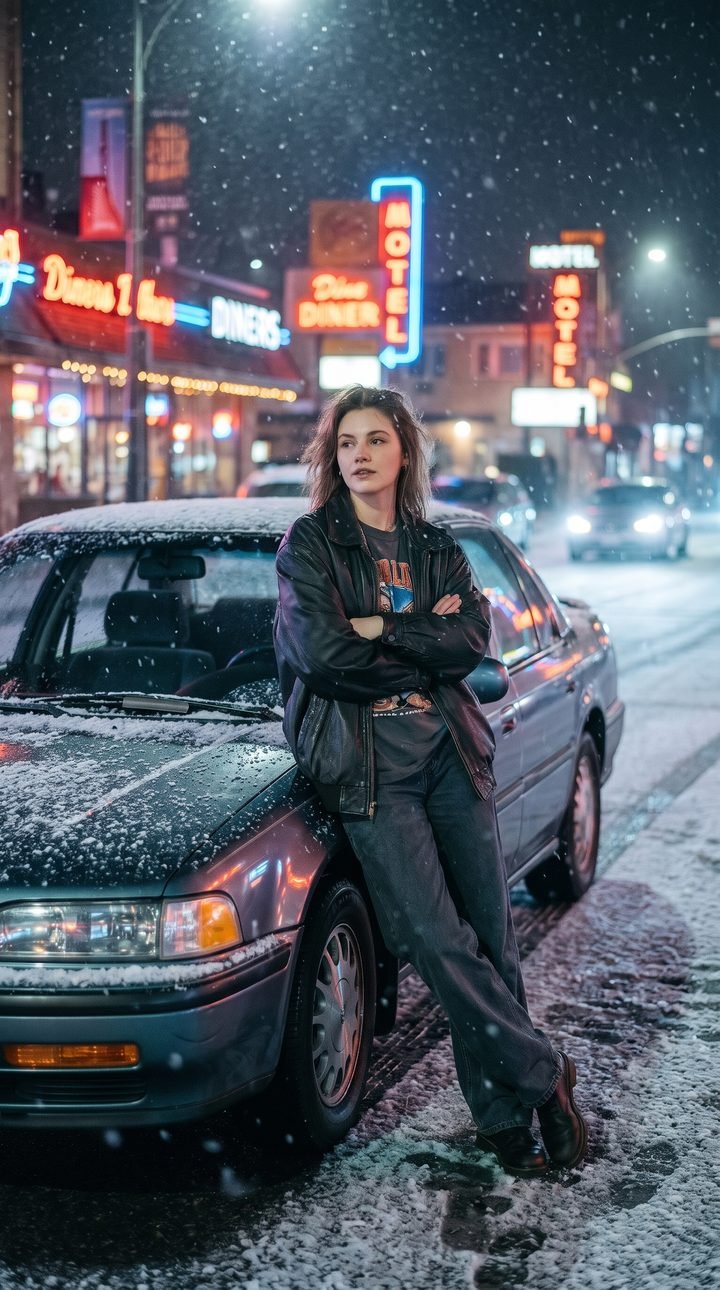
T09 — Time change (night to golden hour)
Gemini scored higher on this task, 15 to 14.
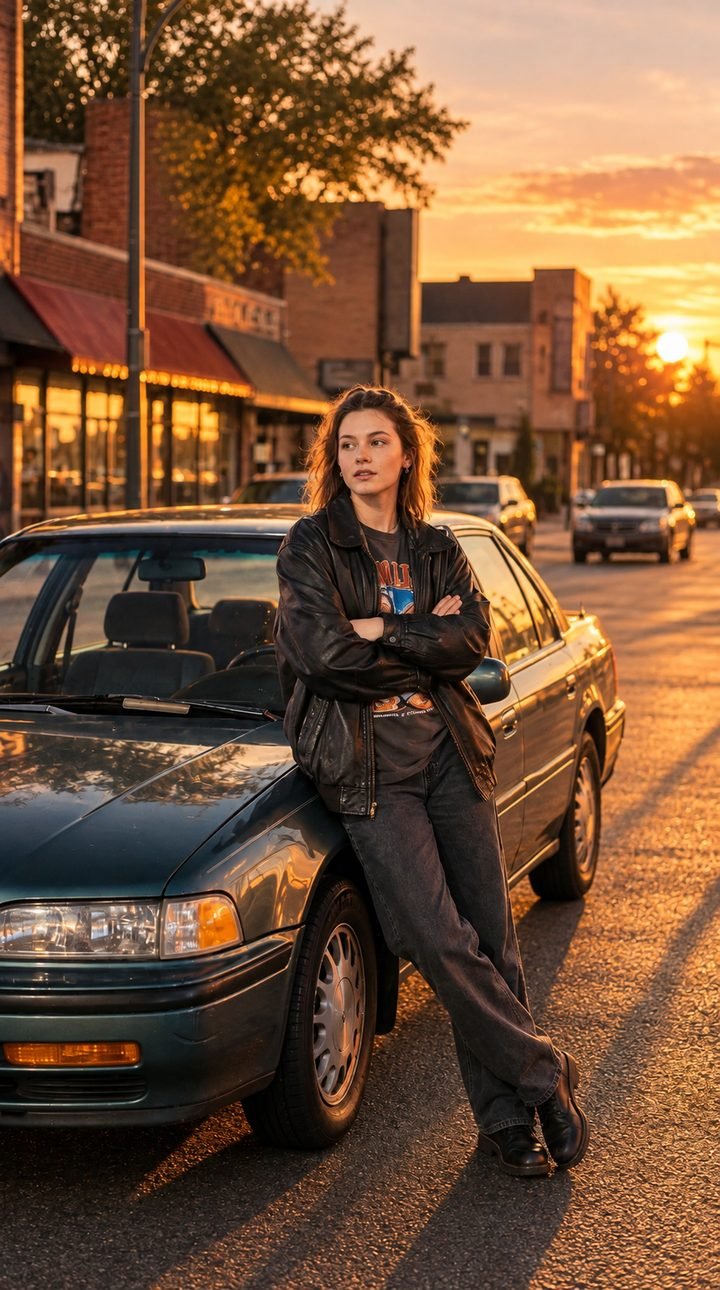
T10 — Add an object (dog)
Exact tie, 15 points each.


T11 — Remove an object (car)
Exact tie, 15 points each.


T12 — Style change (oil painting)
ChatGPT scored higher on this task, 14 to 11.


T13 — Group selective edit (middle shirt)
Exact tie, 15 points each.
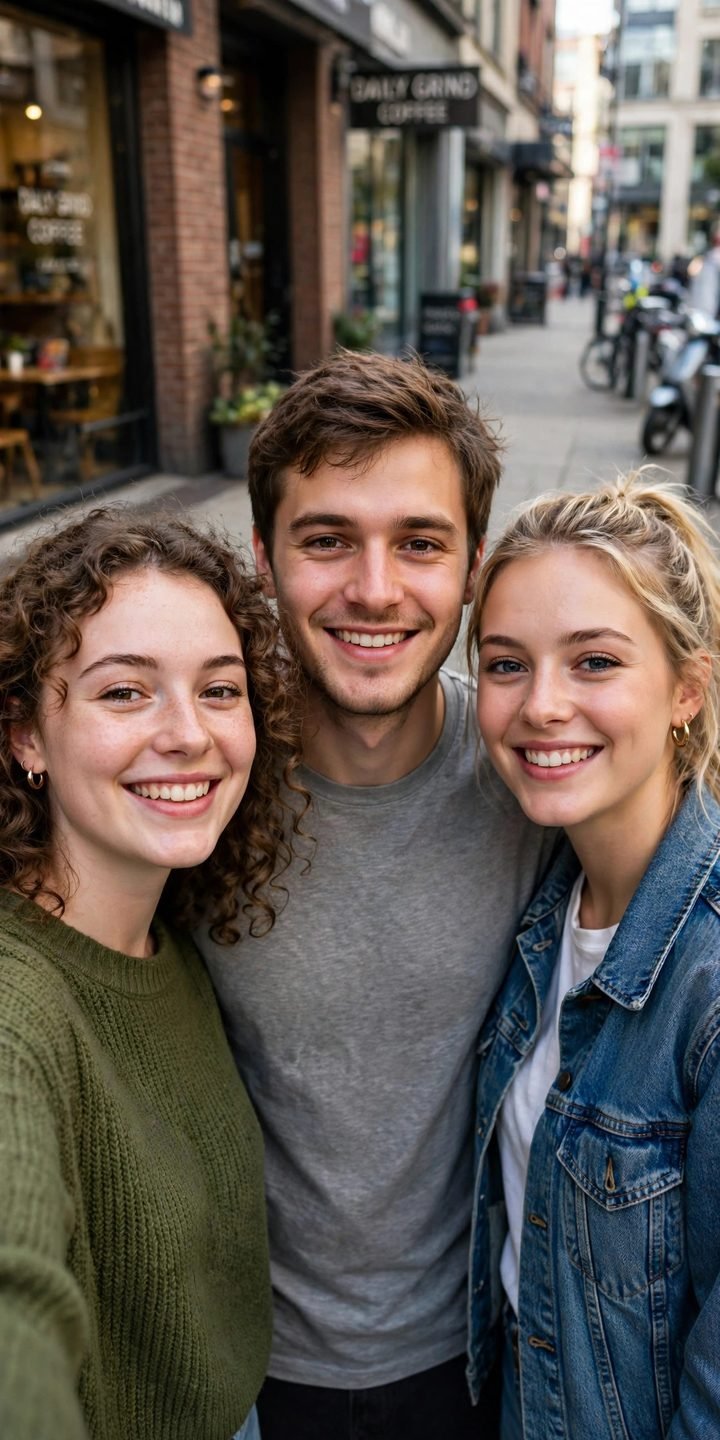


T14 — Group background swap (beach)
Exact tie, 15 points each.


T15 — Studio headshot
Exact tie, 15 points each.


T16 — Old photo restore
ChatGPT scored higher on this task, 15 to 13.
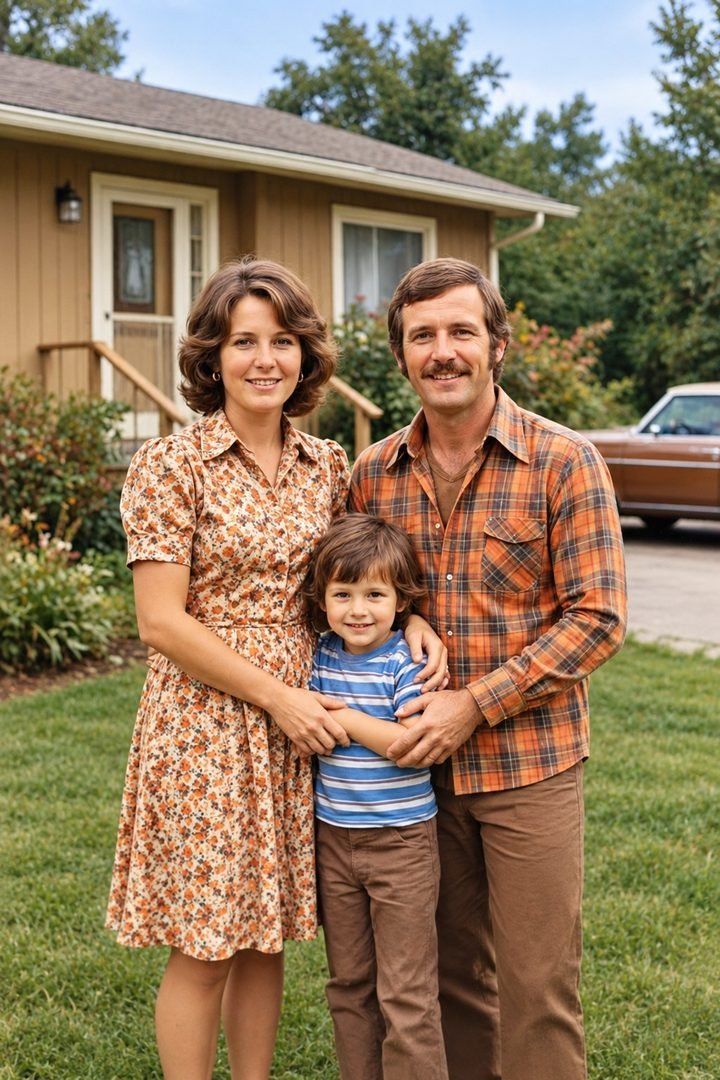
T17 — Scene move (street to café)
Exact tie, 15 points each.


T18 — Cinematic grade
Exact tie, 15 points each.


T19 — Text on shirt
Exact tie, 15 points each.


T20 — Zoom out (full body)
Gemini scored higher on this task, 15 to 14.


 Read nextI Ran the Same Gemini Photo Prompt up to 10 Times. Here’s How Much Actually Changed7 min read
How we tested
The method was fixed in writing on 9 November 2026, before a single run, and it does not change inside an edition. Future editions re-run the same suite so scores stay comparable.
- 20 fixed tasks — the edits people actually ask for: outfit and background swaps, relighting, hair and age changes, style changes, object add/remove, a group edit, a photo restoration, a zoom-out, and more.
- 4 fixed input photos — a young man on a campus path, a young woman on a neon street, three friends on a sidewalk, and a faded, scratched 1970s family photo. Two inputs are real photos carried over from our earlier tests; the group photo and the old photo were generated for this benchmark. That mix is disclosed here because the benchmark scores the edit, never the input.
- Identical prompts — one fixed prompt per task, word for word the same to both tools. No prompt was tuned to suit either tool, and no prompt used empty quality words — just plain instructions, the way a real user writes.
- First try only — the first image each tool returned is the result. No retries, no picking the best of several. Under the rules, a refusal or an unusable output would have been scored as a failed run and published as one. There were none.
- Fresh chat for every run — each run started in a new session, photo uploaded first, then the prompt. Neither tool saw the other’s work.
- Blind scoring — all 40 results were renamed to random codes (B01–B40) and scored without the scorer knowing which tool made which image. The key stayed sealed until all 40 scores were final, and only then were the scores joined back to the tools.
- Scoring — each run scored 1–5 on three things: Instruction (did it do what the prompt asked, fully and only that?), Face (is the person still recognisably the same person — for the group and old photos, all three people), and Quality (does the image hold up — hands, edges, light, no plastic-looking skin?). That gives a total out of 15 per run and 300 per tool.
- The setup, stated plainly — Gemini was run through a Pro account and ChatGPT through a free plan, because that is how most people actually use them. Tool versions and run dates are recorded per run in the production log.
Limitations
Read these before quoting the scores.
- One scorer. Every score is one person’s judgement, applied blind and consistently, but still one person’s. A different scorer could reasonably move individual runs by a point — which is larger than the gap between the tools.
- One run per task per tool. AI image tools are not perfectly consistent. The same prompt sent tomorrow can come back slightly different, and this benchmark scores the single first-try result, by design.
- Four input photos. Three individual people and one group, across everyday scenes. Results on other faces, other lighting and other kinds of photos may differ.
- Scores are guidance, not laboratory measurement. They are a fair, fixed, blind comparison of 40 real first-try edits — useful for choosing a tool and for seeing where each one slips. They are not a precision instrument, and a 3-point gap on 300 should not be quoted as proof that one tool is better than the other.
The dataset
Everything behind this page is released openly, the same way as PromptTick’s earlier tests: the full score table for all 40 runs, all 40 output images, and the exact prompt used for every task, under a CC BY licence. Check our numbers, reuse the images, or re-score the runs yourself — the files are all there.
Download the Edition 1 dataset (CC BY 4.0):
- Scores, prompts, method and input photos (ZIP, 8 MB)
- All 20 Gemini output images (ZIP, 58 MB)
- All 20 ChatGPT output images (ZIP, 48 MB)
FAQs
Which is better for photo editing, Gemini or ChatGPT?
On this test, effectively neither. ChatGPT scored 291 out of 300 and Gemini 288, with exact ties on following instructions (97–97) and keeping the person’s face (96–96). ChatGPT’s small edge was image quality (98 vs 95). Choose by task instead: in this edition ChatGPT handled the oil-painting style change and the old photo restore better, while Gemini handled the age shift better.
How were the tools scored fairly?
Both tools got the identical prompt for each of the 20 tasks, first try only, in a fresh chat. All 40 results were renamed to random codes and scored blind — the scorer did not know which tool made which image until every score was final.
Did either tool refuse or fail any edit?
No. All 40 runs — 20 per tool — returned a usable image on the first try. The weakest results were an oil-painting task Gemini only half did (11/15) and an age shift where ChatGPT drifted from the person’s identity (11/15). Both are published in full above.
Can I check the results myself?
Yes. The complete dataset — every score, every output image and every prompt — is released openly under CC BY with this page, so anyone can verify or re-score the runs.
Edition 1 — Gemini (Nano Banana image editing) vs ChatGPT (image editing), November 2026. This page is updated in place for future editions, with the edition history kept on the page.